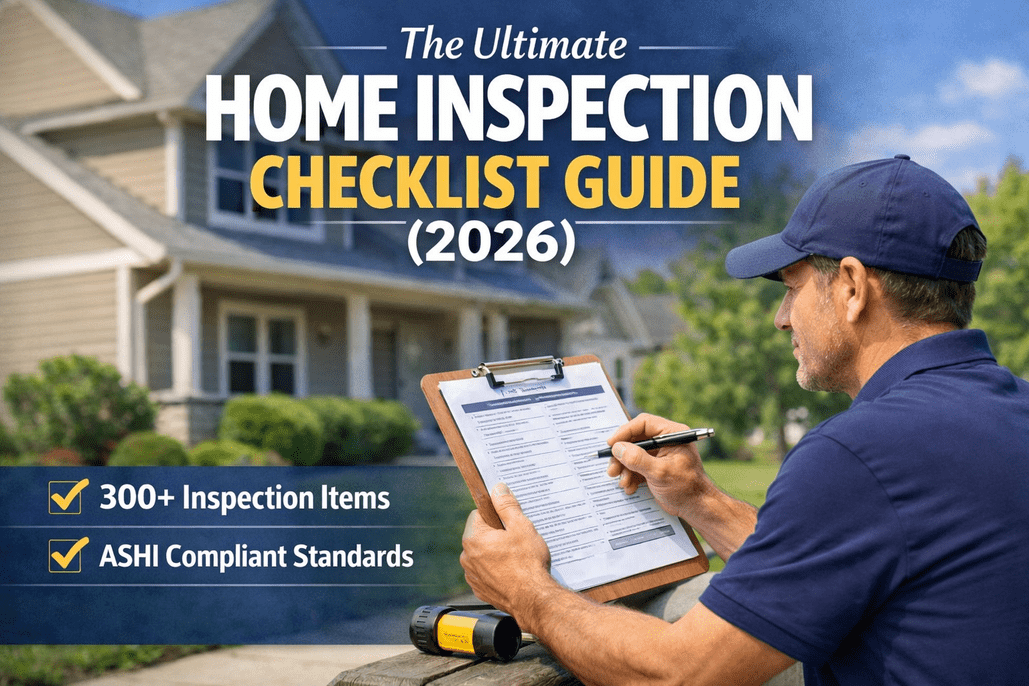

Selling your home in 2026? A pre-listing inspection puts you in control. Rather than waiting for buyers to discover problems—and use them to negotiate down your price—smart sellers identify and address issues upfront. In 2024, 65% of sellers who fixed inspection issues before listing avoided buyer concessions entirely. This guide walks you through exactly what inspectors check and how to prepare your home for a smooth, profitable sale.
Pre-Listing Inspection Checklist by Area
Use this interactive checklist to track what needs attention before listing. Focus on items buyers and their inspectors will flag—these directly impact your sale price and timeline.
Roof & Exterior High Impact
Electrical System Safety Critical
Plumbing High Impact
HVAC System Big Ticket
Structure & Foundation
Interior Condition
Fix vs. Disclose: Making Smart Decisions
Not every issue needs repair before listing. Here's how to prioritize what to fix, what to disclose, and what to leave alone.
Fix Before Listing
- Safety hazards (electrical, CO, loose railings)
- Active leaks and water damage
- Non-working HVAC or appliances
- Broken windows or doors
- Missing smoke/CO detectors
These issues kill deals or lead to major price reductions
Disclose & Price Accordingly
- Aging roof (functional but old)
- Older HVAC nearing end of life
- Cosmetic foundation cracks
- Past repairs (already fixed)
- Known quirks of older homes
Transparency builds trust and avoids legal issues later
Skip (Low ROI)
- Major renovations (kitchen, bath)
- Cosmetic preferences (paint colors)
- Landscaping overhauls
- Upgrades beyond neighborhood norm
- Trendy features buyers may not want
These rarely return full investment when selling
Common Issues That Kill Deals
These problems caused 11% of delayed contracts and 9% of terminations in recent years. Address them before buyers find them.
Roof Problems
Found in 70% of inspections. Missing shingles, leaks, or aging materials trigger repair requests or price cuts averaging $1,000+.
Foundation Issues
Cracks, water intrusion, and settling scare buyers most. Horizontal cracks are more serious than vertical hairline cracks.
Electrical Defects
Found in 18.7% of inspections. Outdated wiring, overloaded panels, and missing GFCIs are safety concerns buyers won't ignore.
HVAC Failure
Non-working or aging systems (15+ years) lead to $1,250 average negotiated savings for buyers. Service before listing.
Expert Tips for Sellers
Get Inspected Early
Schedule your pre-listing inspection 4-6 weeks before listing. This gives you time to get repair quotes and complete work without rushing.
Keep All Receipts
Document every repair with receipts and before/after photos. This proves the work was done professionally and can justify your asking price.
Share the Report
Include your inspection report in the listing packet. Transparency builds buyer confidence and can reduce their need for additional inspections.
Price It Right
Use inspection findings to set a realistic price. Homes priced accurately based on condition sell faster and for closer to asking price.
Pre-Listing Inspection FAQ
How much does a pre-listing inspection cost?
Pre-listing inspections cost the same as buyer inspections—typically $281 to $400 depending on home size and location. This investment often saves thousands by preventing buyer negotiations and deal delays.
Do I have to disclose issues found in a pre-listing inspection?
Yes, in most states you must disclose known material defects to buyers. This is actually a benefit—disclosing upfront builds trust and protects you from legal issues after closing. Buyers appreciate transparency.
Should I fix everything the inspection finds?
No. Focus on safety issues, active problems (leaks, non-working systems), and items that would fail a buyer's inspection. Cosmetic issues and major renovations rarely return full investment. Your agent can help prioritize.
Will a pre-listing inspection speed up my sale?
Yes. Inspection issues cause 11% of contract delays and 9% of terminations. By addressing problems upfront, you reduce negotiation back-and-forth and buyer uncertainty. In competitive markets, buyers may even waive their own inspection if you provide yours.
When should I schedule a pre-listing inspection?
Schedule 4-6 weeks before your target listing date. This gives you time to review findings, get contractor quotes, complete repairs, and gather documentation—all without rushing or delaying your listing.
Conclusion
A pre-listing inspection is one of the smartest moves sellers can make. For a few hundred dollars, you gain control over the narrative, avoid surprise negotiations, and position your home as well-maintained and trustworthy. Focus on safety issues and functional problems, document your repairs, and share your findings with confidence. In 2026's market, transparency and preparation are your competitive advantage.
Deliver Reports Sellers Trust
HomeInspecto helps inspectors create comprehensive pre-listing reports with photos, severity ratings, and repair estimates—giving sellers the clarity they need to prepare confidently.