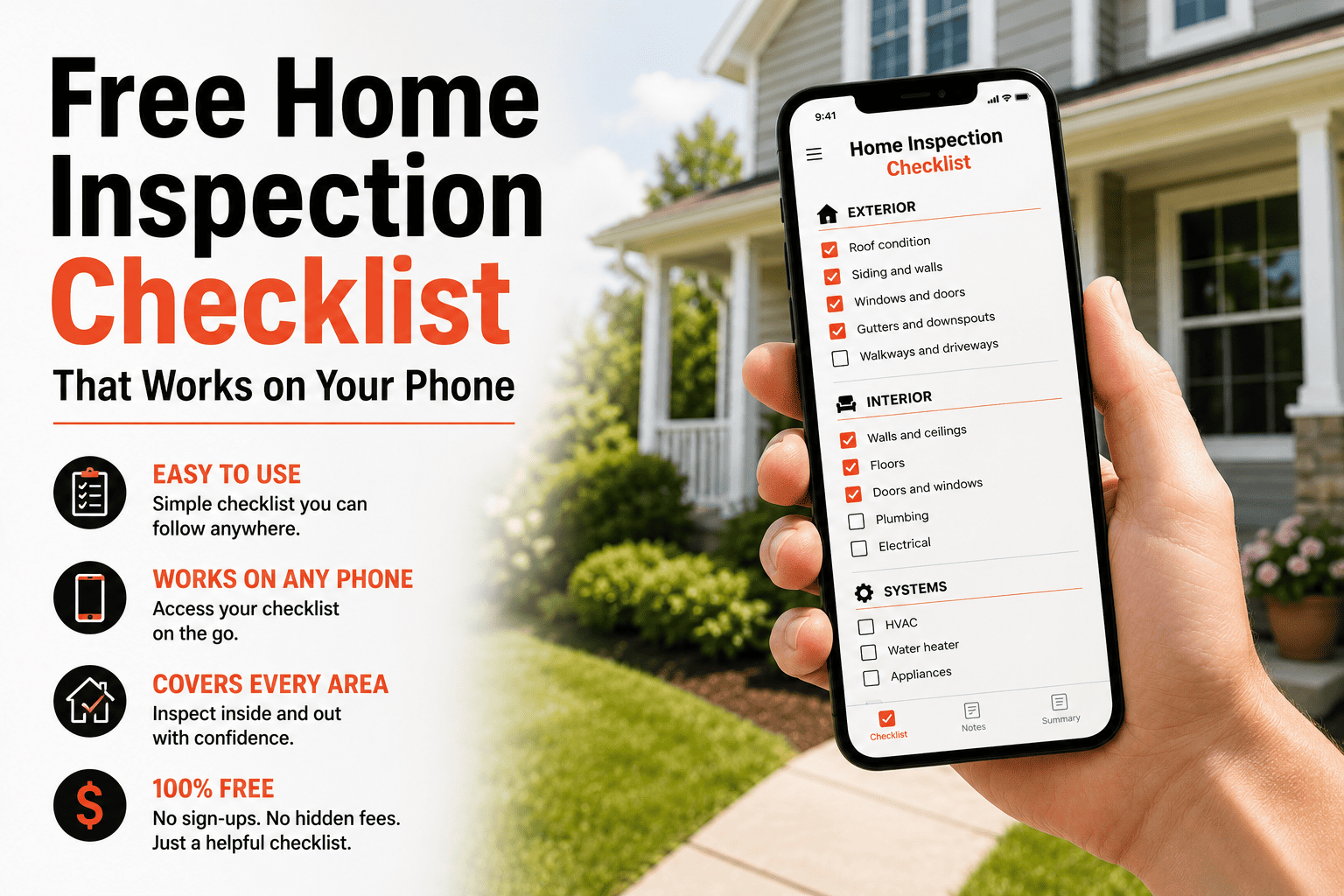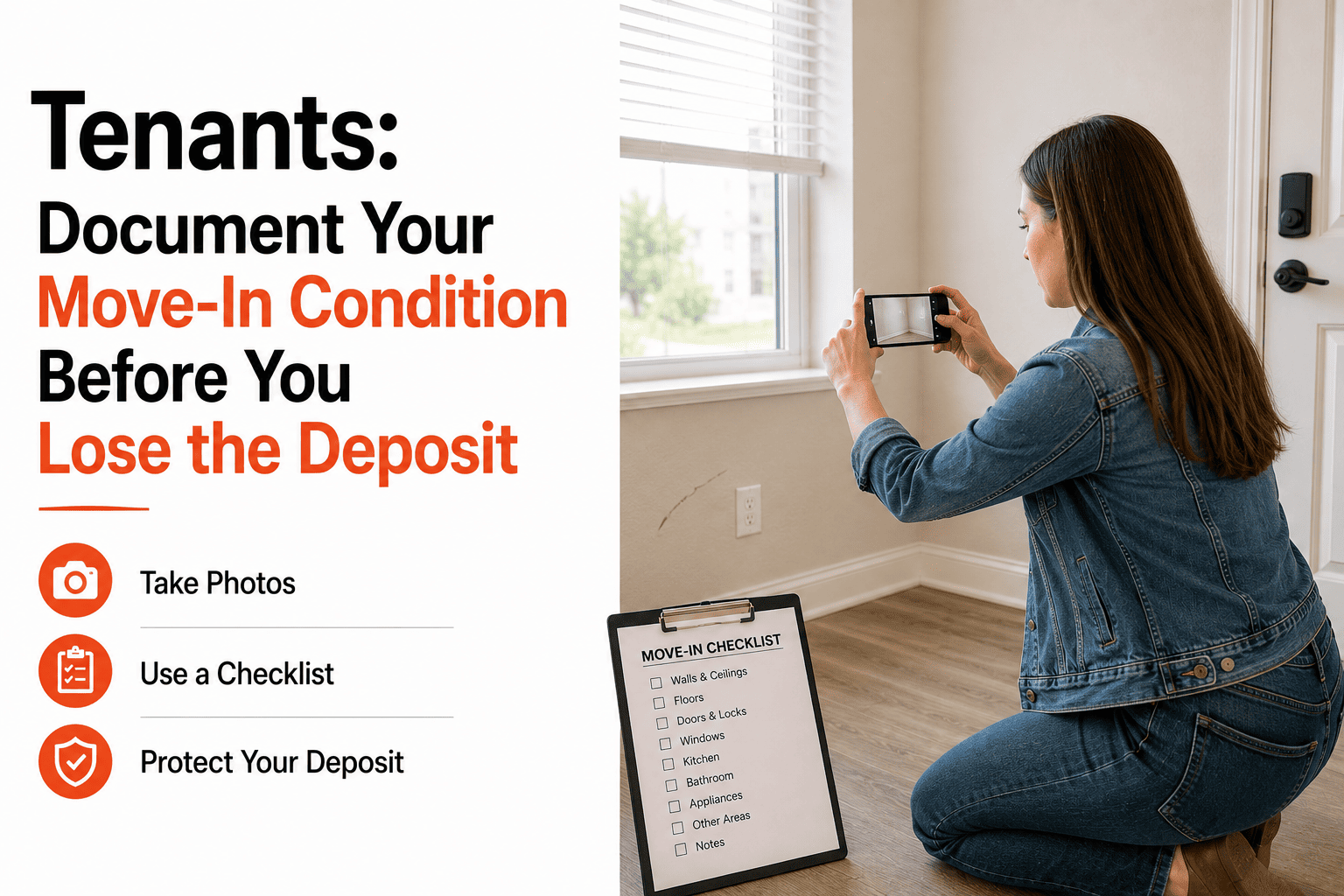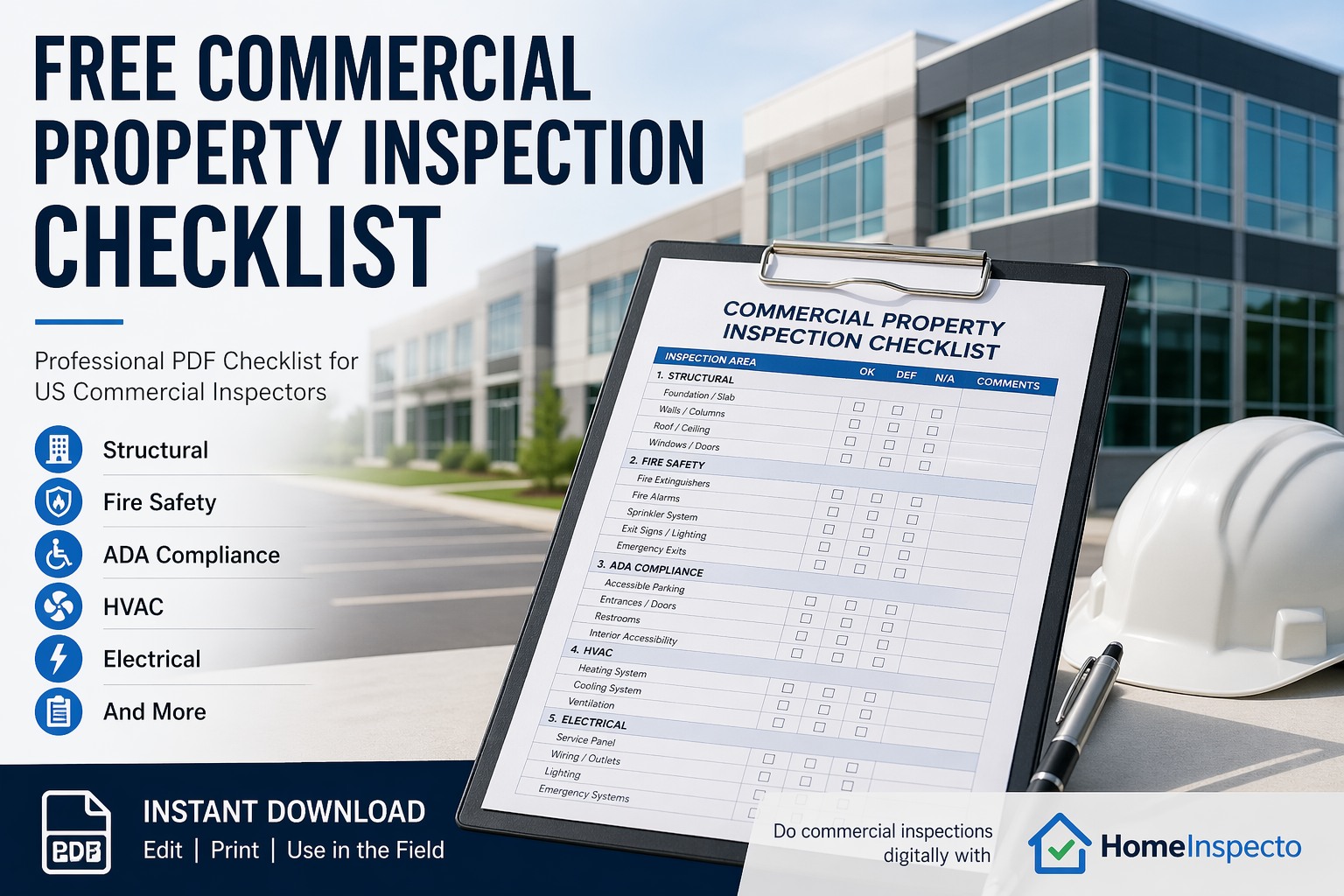
Security deposit disputes are the single most common source of landlord-tenant conflict in the United States — and the number one reason landlords lose in small claims court is insufficient documentation of property condition at move-in. Whether you manage a single rental unit or a multi-property portfolio, a detailed move-in and move-out inspection checklist protects your investment, satisfies state legal requirements, and gives you the evidence needed to justify deposit deductions. This checklist covers every room and system a landlord or property manager should document — organized for both move-in and move-out walkthroughs. Review the complete checklist below, then book a demo to see how HomeInspecto turns paper checklists into a guided digital workflow with timestamped photos, tenant e-signatures, and branded PDF condition reports delivered from your phone.

For Landlords & Property Managers

Free Rental Property Inspection Checklist

Move-in & move-out templates. Room-by-room documentation. Security deposit protection. Book a demo to get this checklist as a digital workflow inside HomeInspecto.
150+Inspection Items
12Room Categories
50States Covered
2026Law Updates
Move-in & move-out templates
Security deposit compliant
Used by 2,500+ inspectors
No credit card required

Why Rental Inspection Checklists Are Non-Negotiable

A signed move-in checklist is your strongest legal defense in a security deposit dispute. Without one, landlords lose the right to deduct for damages in many states — and courts consistently rule against landlords who lack documentation. Here's why every property manager needs a standardized inspection process.

Legal Protection

At least 17 states legally require some form of move-in checklist. In states like Washington, landlords who fail to provide a written condition checklist cannot withhold any portion of the security deposit — regardless of actual damage.

Deposit Dispute Prevention

A detailed, signed checklist with timestamped photos eliminates "he said, she said" arguments. Courts require landlords to prove damages existed after move-out and did not exist at move-in. Your checklist is that proof.

Faster Turnovers

Standardized checklists cut turnover inspection time by establishing a consistent process. Property managers who use digital checklists complete inspections in 30–60 minutes and deliver condition reports the same day.

Property Value Protection

Regular documented inspections catch maintenance issues early — before small problems become expensive repairs. Landlords who conduct routine inspections report fewer emergency maintenance calls and longer tenant retention.

Complete Rental Inspection Checklist: Room by Room

Use this checklist for both move-in and move-out inspections. For each item, document the condition using a simple rating (Good / Fair / Poor / Damaged) and supplement with timestamped photos. Both landlord and tenant should sign the completed checklist.

01

Living Room / Common Areas

14 checkpoint items
Walls — scuffs, holes, nail pops, stains, paint condition
Ceiling — stains, cracks, peeling paint, water marks
Flooring — scratches, stains, tears, dents, loose tiles
Baseboards & trim — condition, scuffs, damage
Windows — operation, locks, screens, seals, cracks
Window coverings — blinds, curtains, rods — condition
Interior doors — operation, hardware, locks, condition
Light fixtures — operation, bulbs, covers
Electrical outlets & switches — operation, covers
Closet — door operation, shelving, rod, condition
Thermostat — operation, setting, display
Smoke detector — presence, operation, battery
CO detector — presence, operation (if required)
General cleanliness — overall condition rating
02

Kitchen

22 checkpoint items
Walls — condition, grease stains, paint
Ceiling — condition, stains, exhaust fan vent
Flooring — condition, stains, cracks, loose tiles
Countertops — chips, cracks, burns, stains
Cabinets — doors, hinges, shelves, condition inside & out
Drawers — slides, handles, alignment, condition
Sink — condition, caulking, leaks, faucet operation
Under sink — leaks, moisture, pipe condition
Refrigerator — operation, shelves, drawers, seals, ice maker
Refrigerator — interior cleanliness, exterior condition
Stove/range — burners, oven operation, drip pans, knobs
Stove/range — cleanliness inside & out
Dishwasher — operation, door, racks, drainage
Microwave (if built-in) — operation, door, interior
Garbage disposal — operation
Exhaust hood/fan — operation, filter condition
Light fixtures — operation, covers
Electrical outlets — operation, GFCI test
Windows — operation, locks, screens
Pantry/storage — shelves, door, condition
Smoke detector — presence, operation
General cleanliness — overall condition rating
03

Bedroom(s)

14 items per bedroom
Walls — scuffs, holes, stains, paint condition
Ceiling — stains, cracks, peeling, water damage
Flooring/carpet — stains, tears, wear, damage
Baseboards & trim — condition, damage
Windows — operation, locks, screens, seals
Window coverings — blinds, shades, rods
Interior door — operation, hardware, lock
Closet — door, shelving, rod, light, condition
Light fixtures & ceiling fan — operation
Electrical outlets & switches — operation, covers
Smoke detector — presence, operation, battery
CO detector — presence (if required near bedrooms)
HVAC vent/register — airflow, condition
General cleanliness — overall condition rating
04

Bathroom(s)

20 items per bathroom
Walls — condition, paint, mold, water damage
Ceiling — paint, mold, exhaust fan condition
Flooring — condition, caulking at edges, water damage
Toilet — operation, flush, seat, mounting, leaks
Toilet — caulking at base, bowl condition
Sink — condition, faucet operation, drain speed
Under sink — leaks, moisture, pipe condition
Vanity/cabinet — doors, shelves, hardware, condition
Mirror/medicine cabinet — condition, mounting
Tub/shower — condition, chips, cracks, stains
Tub/shower — caulking, grout, tile condition
Tub/shower — faucet, diverter, showerhead operation
Tub/shower — drain speed, stopper
Towel bars & accessories — condition, mounting
Exhaust fan — operation, noise, venting
Light fixtures — operation, covers
Electrical outlets — operation, GFCI test
Windows — operation, privacy, screens
Door — operation, lock, hardware
General cleanliness — overall condition rating
05

Dining Room / Hallways

10 checkpoint items
Walls — scuffs, holes, stains, paint condition
Ceiling — condition, stains, light fixture
Flooring — scratches, stains, transitions, thresholds
Baseboards & trim — condition, damage
Light fixtures & switches — operation
Electrical outlets — operation, covers
Windows — operation, locks, screens (if present)
Closets — door, shelving, condition (if present)
Smoke/CO detectors — presence in hallways
General cleanliness — overall condition rating
Want this checklist with timestamped photos and tenant e-signatures? HomeInspecto turns every checkpoint into a guided digital workflow — capture photos, annotate findings, collect signatures, and deliver branded PDF condition reports from your phone.
06

Laundry Area

10 checkpoint items
Walls & flooring — condition, water damage
Washer connections — hot/cold supply, drain
Dryer connection — power outlet, vent hookup
Dryer vent — clear, connected, termination
Washer (if provided) — operation, leaks, condition
Dryer (if provided) — operation, heat, condition
Sink/utility tub — condition, faucet, drain (if present)
Light fixture — operation
Electrical outlets — operation, GFCI (if near water)
General cleanliness — overall condition rating
07

Garage / Parking / Storage

10 checkpoint items
Garage door — operation, remote, auto-reverse
Garage door — photo-eye sensors, manual release
Garage floor — cracks, stains, condition
Walls & ceiling — condition, firewall integrity
Light fixtures — operation
Electrical outlets — operation
Entry door to home — operation, lock, self-closing
Storage area — shelving, condition, access
Parking space — number, condition, markings
General cleanliness — overall condition rating
08

Exterior / Entry / Patio

14 checkpoint items
Front door — condition, hardware, lock, deadbolt, keys
Doorbell — operation
Exterior lighting — porch, entry, pathway lights
Mailbox — condition, key, number
Walkway & steps — condition, trip hazards
Patio/balcony — condition, railing, surface
Exterior walls — siding condition (unit area)
Windows — exterior condition, screens
Hose bib / exterior faucet — operation
Yard/landscaping — condition (if tenant-maintained)
Fence/gate — condition, lock, operation
Trash/recycling area — bins, location, condition
Address numbers — visible, condition
General curb appeal — overall exterior condition
09

HVAC & Water Heater

10 checkpoint items
Heating system — type, operation verification
Cooling system — type, operation verification
Thermostat — operation, current setting
HVAC filter — condition, size noted for tenant
Vents & registers — airflow, condition per room
Water heater — type, operation, temperature setting
Water heater — leaks, rust, TPR valve accessible
Hot water — delivery time, temperature at faucets
Furnace/AC unit — filter access shown to tenant
Emergency shut-off locations — shown to tenant
10

Safety & Compliance

12 checkpoint items
Smoke detectors — every level, every bedroom, hallways
CO detectors — per state requirements (near bedrooms)
Fire extinguisher — location, expiration (if provided)
All door locks — functioning, keys provided & counted
Window locks — all operating
Stair railings & guards — secure, proper height
GFCI outlets — kitchen, bathrooms, exterior, garage
Lead paint disclosure — provided (pre-1978 homes)
Mold/moisture — no visible mold at move-in
Pest evidence — no signs of infestation
Emergency contacts posted — maintenance, 911 address
Utility meters — readings documented at move-in/out
11

Keys, Remotes & Access

8 checkpoint items
Front door keys — quantity issued & documented
Back/side door keys — quantity issued
Mailbox key — issued & tested
Garage door remote(s) — quantity, operation
Gate/pool key or fob — issued if applicable
Storage unit key — issued if applicable
Parking permit/pass — issued if applicable
All keys/remotes accounted for & signed receipt
12

Signatures & Documentation

6 checkpoint items
All rooms inspected & documented with condition ratings
Timestamped photos taken for each room
Pre-existing damage noted with detailed descriptions
Landlord signature & date
Tenant signature & date
Copies provided to both parties (landlord & tenant)

All 150+ Checkpoints. Digital Workflow. Tenant Signatures.

Book a demo and we'll walk you through how HomeInspecto turns this entire checklist into a guided inspection flow — with timestamped photos, tenant e-signatures, and branded PDF condition reports.

Normal Wear & Tear vs. Tenant Damage: Know the Difference

One of the most disputed areas in security deposit returns is distinguishing between normal wear and tear (which landlords cannot charge for) and actual tenant damage (which is deductible). Understanding this distinction before you inspect prevents costly legal mistakes.

Normal Wear & Tear
Cannot deduct from deposit
Minor scuffs on walls from furniture
Small nail holes from hanging pictures
Carpet worn from normal foot traffic
Faded paint or sun-faded curtains
Loose door handles from regular use
Worn finish on hardwood floors
Tenant Damage
Can deduct from deposit
Large holes or gouges in walls
Pet stains, burns, or rips in carpet
Broken windows or door hardware
Unauthorized paint colors on walls
Missing fixtures, blinds, or hardware
Excessive filth requiring professional cleaning

Security Deposit Documentation: State Law Highlights

Security deposit laws vary dramatically by state — from deposit limits and return timelines to required documentation and penalties for non-compliance. Here are key trends landlords should know in 2026.

17+
States Requiring Checklists
At least 17 states legally mandate some form of move-in checklist or condition report. In Washington, landlords who skip this step forfeit the right to any deposit deductions.
14–30 days
Typical Return Deadline
Most states require landlords to return security deposits within 14–30 days of move-out. Missing this deadline can result in penalties of 2x–3x the deposit amount in many jurisdictions.
CA AB 2801
Photo Requirements (2025+)
California now requires landlords to take photographs at the beginning of tenancy and before/after any repairs when deducting from deposits. More states are expected to follow.
1 Month
Deposit Cap Trend
An increasing number of states are capping deposits at one month's rent — including California, New York, Colorado, and Florida (2025 update). Check your state's current limit.

4 Types of Rental Inspections Every Landlord Should Conduct

Move-in and move-out inspections get the most attention, but a comprehensive property management program includes four distinct inspection types — each serving a different purpose in protecting your investment.

Before Keys

Move-In Inspection

Document baseline condition of every room, appliance, and fixture before the tenant takes possession. Both parties sign and keep copies. Take 50–75 timestamped photos. This is your legal foundation for deposit deductions later.

Quarterly / Semi-Annual

Routine Inspection

Catch maintenance issues early, verify lease compliance, and ensure safety systems are functioning. Provide required notice (typically 24–48 hours) before entry. Focus on safety, maintenance, and habitability — not tenant belongings.

Periodic

Drive-By Inspection

Visual exterior check from the street or common areas — no tenant notice required. Look for unauthorized vehicles, exterior damage, landscaping neglect, trash accumulation, or lease violations visible from outside.

After Move-Out

Move-Out Inspection

Compare current condition against move-in checklist and photos. Document all damage beyond normal wear and tear. Generate itemized deduction list with repair costs. Return deposit within state-mandated timeline with documentation.

Manage all 4 inspection types in one platform. HomeInspecto handles move-in, routine, drive-by, and move-out inspections with guided workflows, photo documentation, tenant e-signatures, and branded PDF reports — all from your phone.

Frequently Asked Questions

Is a move-in checklist legally required?
It depends on your state. At least 17 states require landlords to provide some form of move-in condition checklist or inspection report, particularly when collecting a security deposit. In states like Washington, failing to provide a written checklist means you cannot deduct anything from the deposit. Even in states where it's not required, a signed checklist is your strongest protection in deposit disputes.
What's the difference between a move-in and move-out checklist?
A move-in checklist documents the property's baseline condition before the tenant takes possession — establishing what was already there. A move-out checklist documents the property's condition after the tenant vacates, allowing you to compare against the move-in record and identify damage beyond normal wear and tear. Both should use the same format for easy comparison.
How many photos should I take during a rental inspection?
Property management professionals recommend 50–75 timestamped photographs for a thorough move-in inspection. Capture wide shots of each room plus close-ups of any existing damage, appliance conditions, and high-risk areas like under sinks, tub caulking, and carpet stains. California's AB 2801 (2025) now requires landlords to take photos at the start of tenancy for deposit documentation purposes. Book a demo to see how HomeInspecto captures and timestamps photos during the inspection workflow.
Can I deduct for cleaning from the security deposit?
You can deduct for cleaning costs if the property is left in a condition that exceeds normal wear and tear — meaning the unit is significantly dirtier than when the tenant moved in. You cannot deduct for routine cleaning that would be needed between any tenancy. A move-in checklist that rates cleanliness in each room provides the documentation you need to support cleaning deductions.
How can I use this checklist digitally with HomeInspecto?
HomeInspecto turns every checkpoint on this page into a guided digital inspection workflow. You walk through the property on your phone, tap through each room, capture and annotate photos, rate conditions, add notes, collect the tenant's e-signature, and generate a branded PDF condition report — all in one session. Book a demo and we'll walk you through the full landlord workflow, or start a free trial to try it yourself.
How long should I keep inspection records?
Keep inspection checklists, photos, and signed condition reports for at least 2–3 years after a tenant vacates — or longer if required by your state. Maryland, for example, requires landlords to maintain deposit receipt documentation for at least two years. Digital records stored in inspection software are easier to organize, search, and produce if a dispute reaches court.

Protect Your Property. Document Everything. Go Digital.

Book a demo to see how HomeInspecto turns rental inspection checklists into a guided workflow with timestamped photos, tenant e-signatures, and branded PDF condition reports. Or start your free trial — no credit card required.