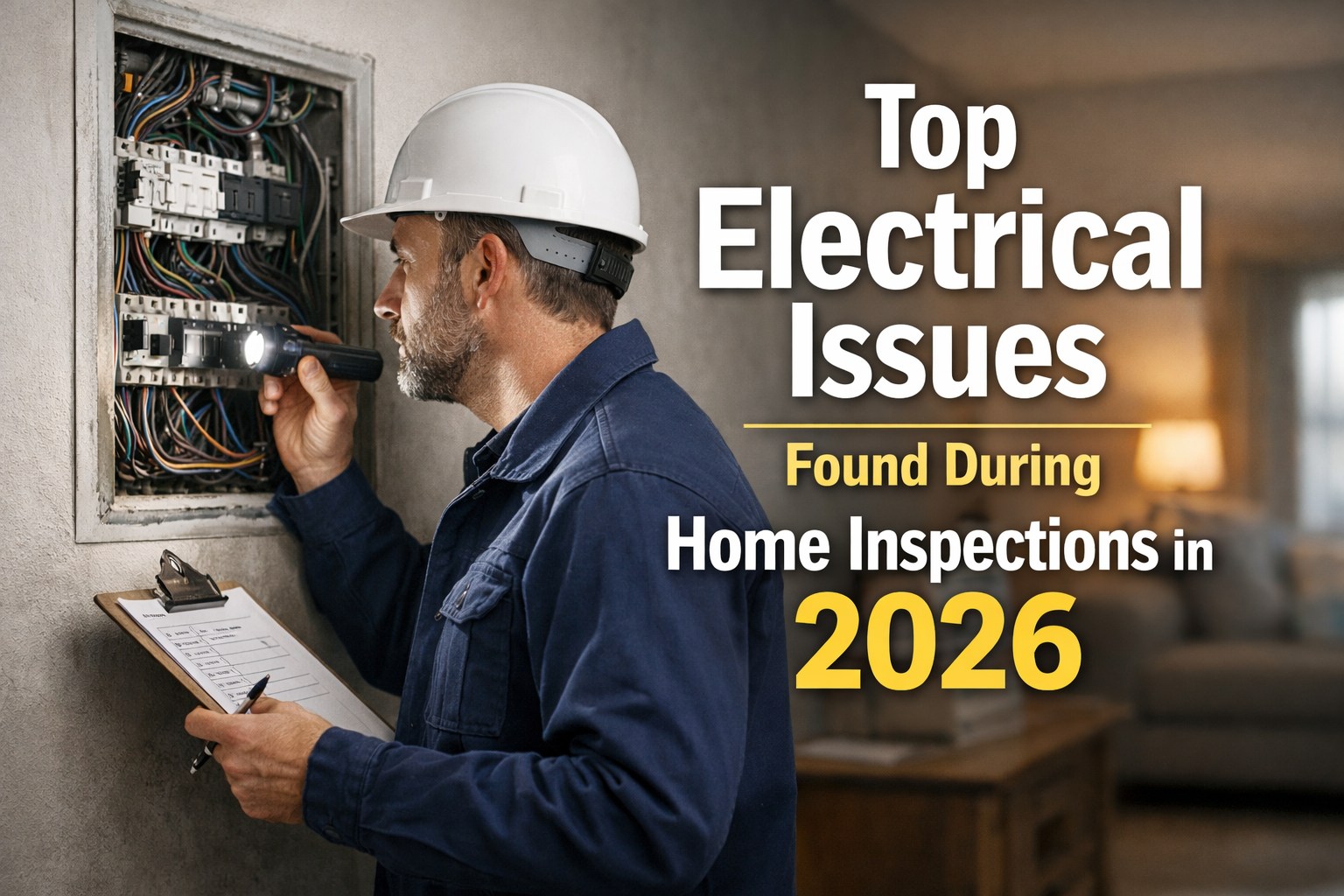

Electrical system defects represent one of the most significant safety concerns found during home inspections, with electrical failures ranking as the second leading cause of residential fires according to NFPA data, Whether inspecting older homes with outdated wiring or newer constructions with modern systems, a methodical approach to electrical inspection is critical for identifying hazards, and ensuring buyer safety. This comprehensive checklist guides home inspectors through the essential steps of residential electrical system evaluation, ensuring that all components are properly assessed from the service entrance to the last outlet.
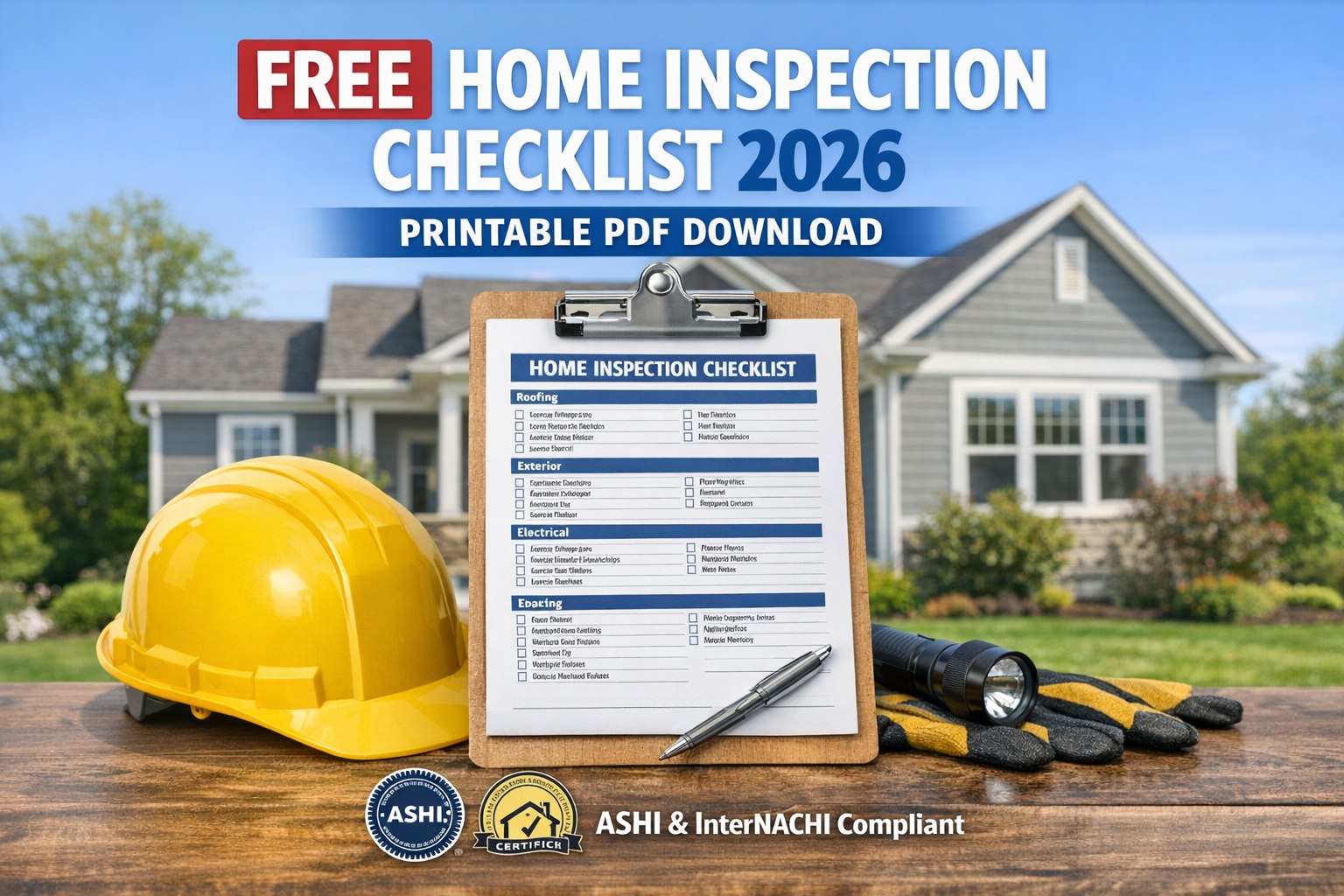
Compliance Note: Home inspectors should follow ASHI (American Society of Home Inspectors) and InterNACHI (International Association of Certified Home Inspectors) Standards of Practice for electrical inspections. Proper documentation of findings is essential for liability protection and client communication. Always recommend licensed electrician evaluation for complex issues beyond visual inspection scope.
Electrical Inspection Checklist
1. Pre-Inspection Preparation
- Verify access to main electrical panel and all subpanels
- Confirm flashlight and inspection tools are ready
- Check receptacle tester and GFCI tester functionality
- Ensure non-contact voltage detector is operational
- Review any available documentation about electrical system
- Note the approximate age of the home for context
- Identify any obvious electrical hazards before detailed inspection
- Document weather conditions affecting outdoor inspections
- Photograph the electrical panel exterior before opening
- Verify safe working conditions around panel area
2. Service Entrance and Meter
- Inspect service drop clearance over roof (minimum 8 feet)
- Verify proper clearance over driveways and walkways
- Check weatherhead condition and positioning
- Confirm service mast is adequately supported
- Inspect for trees or vegetation contacting service wires
- Verify drip loops are present at weatherhead
- Check meter base mounting and condition
- Look for corrosion, damage, or burn marks at meter
- Confirm weatherproof enclosure is intact
- Verify proper grounding at meter base
- Check for evidence of tampering or bypass
- Confirm meter is accessible for utility service
3. Main Electrical Panel Inspection
- Verify panel is readily accessible (not blocked)
- Confirm minimum 30-inch wide working space
- Check for minimum 36-inch deep clearance
- Verify panel is not located in bathroom
- Confirm panel is not in clothes closet
- Check for adequate lighting at panel location
- Inspect panel cover condition and security
- Look for rust, corrosion, or physical damage
- Check for burn marks or overheating evidence
- Verify all knockouts are filled
- Identify panel manufacturer and rating
- Document service amperage (100A, 150A, 200A, etc.)
4. Panel Interior Evaluation
- Confirm all circuits are clearly labeled
- Verify main disconnect is present and functional
- Check for double-tapped breakers (multiple wires on single breaker)
- Verify breaker sizes match wire gauge
- Look for evidence of overheating or discoloration
- Check that wiring is neat and organized
- Verify no exposed copper at wire connections
- Confirm neutral wires terminate individually
- Check for any aluminum branch circuit wiring
- Identify any known hazardous panel brands
- Verify proper torque on connections (visual check)
- Document overall panel condition assessment
5. Grounding and Bonding System
- Verify ground rod(s) are present and visible
- Check grounding electrode conductor sizing
- Confirm connections are tight and corrosion-free
- Verify UFER ground if applicable (concrete-encased)
- Check water pipe bonding within 5 feet of entry
- Confirm gas pipe bonding is present
- Verify main bonding jumper is installed
- Check that neutral and ground are separated in subpanels
- Confirm grounding bus bar is properly connected
- Verify all equipment grounding conductors are connected
- Check for intersystem bonding termination
6. Branch Circuit Wiring
- Identify wiring type (NM/Romex, BX, conduit, knob-and-tube)
- Check for any active knob-and-tube wiring
- Verify aluminum wiring is properly addressed if present
- Inspect visible wiring for damage or deterioration
- Confirm wire gauge is appropriate for circuit amperage
- Check for extension cords used as permanent wiring
- Verify wiring is properly supported and secured
- Confirm protection from physical damage where exposed
- Check for proper clearance from heat sources
- Verify no open splices outside junction boxes
- Confirm all junction boxes are accessible and covered
- Check that cables are properly secured to boxes
7. GFCI Protection Verification
- Test all bathroom receptacles for GFCI protection
- Verify kitchen countertop receptacles are GFCI protected
- Check receptacles within 6 feet of sinks
- Test all garage receptacles
- Verify all outdoor receptacles have GFCI protection
- Check unfinished basement receptacles
- Test crawl space receptacles
- Verify laundry area receptacles are protected
- Check pool and spa equipment (if applicable)
- Test GFCI function using test/reset buttons
- Verify external tester confirms protection
- Check that GFCIs are readily accessible
8. AFCI Protection Assessment
- Verify bedroom circuits have AFCI protection
- Check living room and family room circuits
- Confirm dining room circuits are protected
- Verify hallway and closet circuits
- Check sunroom and similar room circuits
- Verify kitchen AFCI protection (2014 NEC and later)
- Check laundry area protection (2014 NEC and later)
- Test AFCI breaker function using test button
- Verify breaker resets and restores power
- Note any reported nuisance tripping
- Confirm combination AFCI type is installed
9. Receptacle Testing
- Test all accessible receptacles with receptacle tester
- Verify proper polarity at each outlet
- Confirm ground is present and functional
- Check for open neutral conditions
- Verify no open ground conditions
- Check that outlets hold plugs securely
- Verify cover plates are present and intact
- Confirm outlets are flush with wall surface
- Check for gaps around outlet boxes
- Verify tamper-resistant receptacles where required
- Check for weather-resistant receptacles outdoors
- Confirm in-use covers on outdoor receptacles
10. Switches and Lighting
- Test all switches for proper operation
- Verify cover plates are present on all switches
- Check that switches are properly grounded
- Verify dimmer switch compatibility with bulbs
- Test three-way switch operation
- Check for sparking, buzzing, or warm switches
- Verify all lighting fixtures are securely mounted
- Check bulb wattage does not exceed fixture rating
- Verify recessed lights have proper insulation clearance
- Check for IC-rated cans where in contact with insulation
- Verify closet lights meet clearance requirements
- Confirm outdoor fixtures are weather-appropriate
11. Smoke and CO Detectors
- Verify smoke detectors present in each bedroom
- Confirm detectors outside each sleeping area
- Check for smoke detectors on each level
- Test all smoke detector buttons for alarm function
- Verify detectors are within 10-year lifespan
- Check for hardwired detectors with battery backup
- Verify detectors are interconnected in newer homes
- Confirm CO detectors outside each sleeping area
- Verify CO detectors on levels with fuel-burning appliances
- Check for CO detector near attached garage
- Test CO detector function
- Verify CO detectors are within 5-7 year lifespan
12. Documentation and Reporting
- Complete all inspection documentation with findings
- Photograph all identified defects
- Document panel interior with clear photos
- Record all test results with locations
- Note any areas that were inaccessible
- Document any safety hazards requiring immediate attention
- List all recommended repairs and improvements
- Note items requiring licensed electrician evaluation
- Document any code violations observed
- Prepare summary of major findings for client
Technical Note: Home inspectors are not required to determine electrical load calculations, verify adequacy of service capacity for the dwelling, test or operate circuit breakers or overcurrent devices except for GFCI and AFCI devices, or inspect low-voltage systems such as doorbells, security systems, or garage door openers beyond basic functionality. Always refer to your state's home inspection regulations and Standards of Practice.
Step-by-Step Inspection Procedure
Exterior Evaluation Phase
Service Entrance Assessment:
Begin the electrical inspection from outside the home by evaluating the service entrance. Check the condition of the service drop or lateral, noting clearances from the roof, walkways, and windows. The weatherhead should be positioned above the utility company's connection point with proper drip loops to prevent water intrusion. Document any trees or vegetation that contact or could potentially contact the service wires.
Meter Base Inspection:
Examine the meter base for secure mounting, corrosion, damage, or evidence of overheating. The enclosure should be weatherproof and show no signs of tampering. Note the meter rating if visible, as this indicates the service capacity. Verify that the meter is accessible for utility personnel.
Exterior Receptacles and Lighting:
Test all accessible outdoor receptacles for GFCI protection and proper wiring. Check that outdoor receptacles have weather-resistant covers and that in-use covers are installed where cords may be connected. Examine exterior lighting fixtures for appropriate weather ratings and secure mounting.
Interior Panel Inspection
Panel Location and Access:
Verify the electrical panel is readily accessible with required clearances (30 inches wide, 36 inches deep, 78 inches high). The panel should not be located in a bathroom, clothes closet, or other prohibited location. Ensure adequate lighting is available at the panel.
Panel Cover Removal and Interior Inspection:
After verifying safe conditions, remove the panel cover to inspect the interior. Document the panel manufacturer, service amperage rating, and overall condition. Check for proper circuit labeling, correct breaker sizes for wire gauges, neat wiring organization, and any signs of overheating or damage. Identify any hazardous panel brands (Federal Pacific, Zinsco/Sylvania, Pushmatic) that require electrician evaluation.
Grounding System Verification:
Trace the grounding system from the panel to the grounding electrodes. Verify the presence and condition of ground rods, water pipe bonding, and gas pipe bonding. In subpanels, confirm that neutral and ground conductors are properly separated.
Room-by-Room Testing
Systematic Receptacle Testing:
Using a receptacle tester, check every accessible outlet for proper wiring, polarity, and grounding. Document any outlets showing faults such as open ground, open neutral, hot/neutral reversed, or hot/ground reversed. Note the location of any ungrounded (two-prong) receptacles.
GFCI and AFCI Verification:
Test all GFCI devices using both the built-in test button and an external tester. Verify protection in all required locations. For AFCI-protected circuits, test the breaker function using the test button at the panel. Document any missing protection in required areas based on the home's age and applicable code.
Switch and Fixture Operation:
Operate all accessible switches and note any that do not function properly, make unusual sounds, or feel warm to the touch. Check that all lighting fixtures are operational and securely mounted. Note any recessed lights that may lack proper insulation clearance.
Safety Device Verification
Smoke and CO Detector Testing:
Test all smoke detectors and carbon monoxide detectors using the test buttons. Document the location and functionality of each device. Note any missing detectors in required locations, expired units, or non-functional devices. Check for interconnection in newer homes where required.
| Wire Gauge (AWG) | Maximum Breaker Size | Typical Application |
|---|---|---|
| 14 AWG | 15 Amp | Lighting circuits, general receptacles |
| 12 AWG | 20 Amp | Kitchen, bathroom, garage circuits |
| 10 AWG | 30 Amp | Electric dryer, water heater, A/C units |
| 8 AWG | 40 Amp | Electric range, large A/C units |
| 6 AWG | 50-60 Amp | Electric range, subpanel feeders |
| Service Size | Status | Typical Application |
|---|---|---|
| 60 Amp | Obsolete | Inadequate for modern needs - upgrade recommended |
| 100 Amp | Minimum | Small homes with gas appliances |
| 150 Amp | Good | Medium-sized homes |
| 200 Amp | Standard | Modern homes, all-electric capable |
| 400 Amp | Premium | Large homes, EV charging, high demand |
| Panel Brand | Status | Recommendation |
|---|---|---|
| Federal Pacific (FPE/Stab-Lok) | Hazardous | Breakers fail to trip - recommend replacement |
| Zinsco/Sylvania | Hazardous | Breakers melt to bus - recommend replacement |
| Pushmatic | Obsolete | Parts unavailable - recommend replacement |
| Fuse Panels | Outdated | Consider upgrade to circuit breakers |
| Split-Bus Panels | Outdated | No single main disconnect - evaluate for upgrade |
Conclusion
Thorough electrical inspection is one of the most critical components of a comprehensive home inspection. Following this systematic checklist helps ensure that all electrical components are properly evaluated, from the service entrance through every outlet, switch, and safety device. Remember that electrical system defects can range from minor code violations to serious fire and shock hazards requiring immediate attention.
Home inspectors should always operate within their scope of practice and recommend licensed electrician evaluation for complex issues, suspected hazards, or conditions requiring repair. Proper documentation of findings, including photographs and detailed notes, protects both the inspector and the client while providing clear guidance for any needed repairs or improvements.
Streamline Your Electrical Inspections with HomeInspecto
While paper-based inspection documentation has been the industry standard, professional home inspectors are now embracing digital solutions like HomeInspecto. This powerful platform transforms electrical inspection workflows in several critical ways:
- Digital Inspection Checklists: HomeInspecto provides comprehensive electrical inspection templates ensuring no component is overlooked, regardless of inspector experience level.
- Photo Documentation: Capture and attach photos directly to specific findings, creating visual evidence of defects for clear client communication.
- Automated Reporting: Generate professional inspection reports with electrical findings organized by location and severity, saving hours of report writing time.
- Comment Libraries: Access pre-written professional comments for common electrical defects, ensuring consistent and accurate reporting.
- Mobile Accessibility: Complete inspections on-site using smartphone or tablet, with all data syncing automatically to the cloud.
- Client Delivery: Send completed reports directly to clients with branded, professional formatting that builds credibility and trust.
- Inspection History: Maintain complete records of all inspections for reference, follow-up, and business analytics.
- Compliance Support: Built-in references to ASHI and InterNACHI standards help ensure inspections meet professional requirements.
HomeInspecto eliminates the limitations of paper-based inspection records while substantially improving documentation quality, accessibility, and professional presentation. Inspectors using HomeInspecto typically report completing inspections faster while producing more thorough and professional reports.
Protect your clients, document your findings professionally, and grow your inspection business—electrical inspections powered by HomeInspecto technology deliver the efficiency and quality today's home buyers expect.