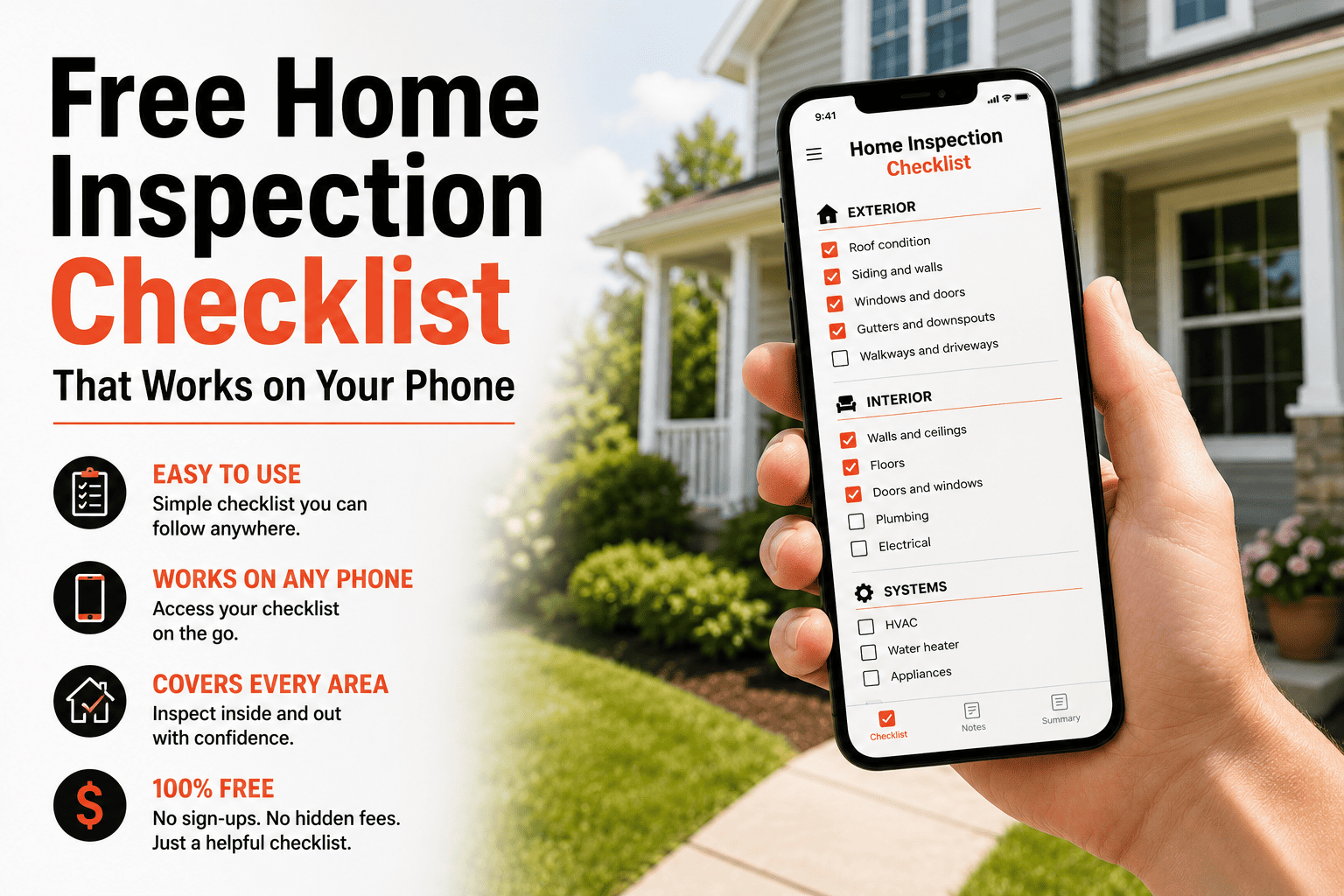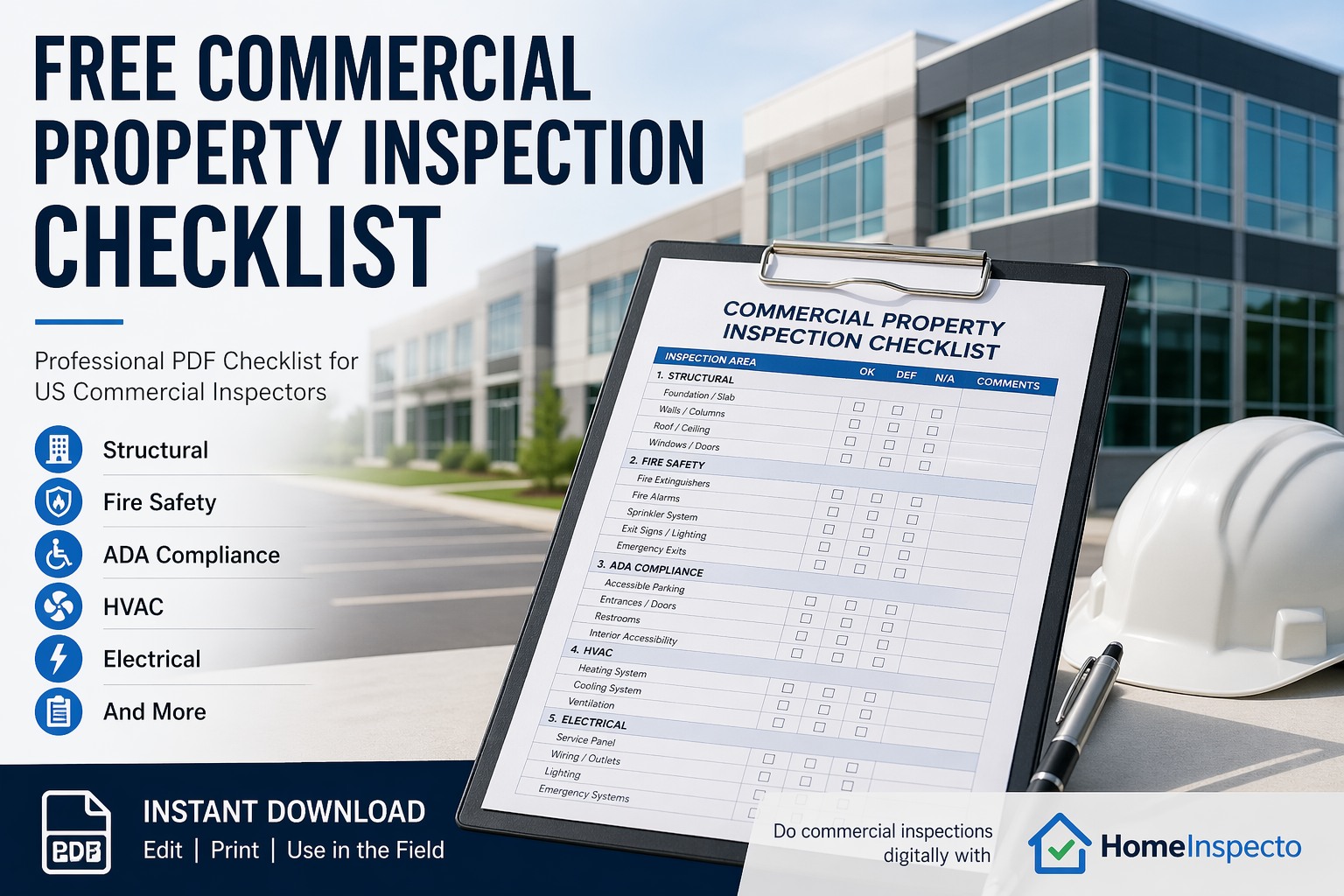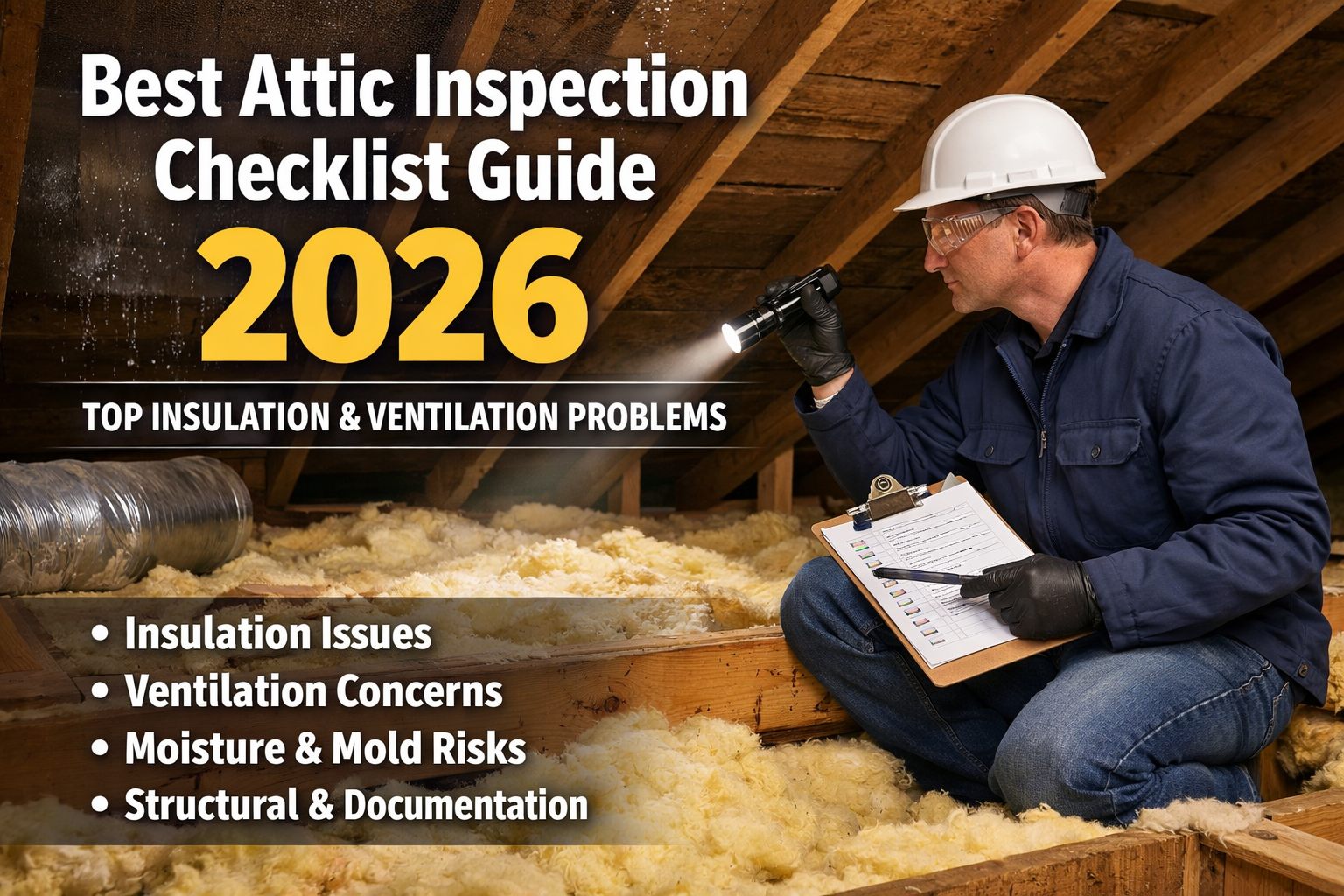

Proper insulation and ventilation work together to keep homes comfortable, energyefficient, and free from moisture damage. This insulation inspection checklist helps home inspectors systematically evaluate coverage gaps, airflow basics, and moisture risk indicators that affect a property's thermal performance and long-term durability.
What Is an Insulation and Ventilation Inspection?
An insulation and ventilation inspection evaluates a home's thermal barrier and airflow systems to identify deficiencies that cause energy loss, comfort problems, or moisture-related damage. Inspectors assess insulation type, coverage, and condition while checking that ventilation systems provide adequate air exchange to prevent condensation and heat buildup.
Why Insulation and Ventilation Inspections Matter
Inadequate insulation and poor ventilation are among the most common—and costly—deficiencies found during home inspections. Understanding the consequences helps inspectors communicate findings effectively to clients.
Poor Insulation & Ventilation
- High energy bills year-round
- Ice dams in winter climates
- Mold and mildew growth
- Premature roof deterioration
- Uncomfortable room temperatures
- Condensation on windows/walls
- Pest infiltration pathways
Proper Insulation & Ventilation
- Lower heating/cooling costs
- Extended roof lifespan
- Controlled moisture levels
- Consistent indoor comfort
- Reduced HVAC wear
- Better indoor air quality
- Protected structural integrity
Generate inspection reports with built-in checklists. HomeInspecto includes insulation and ventilation templates that auto-populate as you inspect. Schedule a demo →
Insulation R-Value Quick Reference
R-value measures thermal resistance—the higher the number, the better the insulation performance. Recommended R-values vary by climate zone and location in the home.
| Location | Zone 1-2 (Hot) | Zone 3-4 (Mixed) | Zone 5-7 (Cold) |
|---|---|---|---|
| Attic Floor | R-30 to R-49 | R-38 to R-60 | R-49 to R-60 |
| Cathedral Ceiling | R-22 to R-38 | R-30 to R-49 | R-38 to R-60 |
| Exterior Walls | R-13 to R-15 | R-13 to R-21 | R-13 to R-21 |
| Floor Over Garage | R-13 | R-19 to R-25 | R-25 to R-30 |
| Basement Walls | R-11 to R-13 | R-11 to R-15 | R-15 to R-19 |
| Crawlspace Walls | R-11 to R-13 | R-13 to R-19 | R-19 to R-25 |
Complete Insulation Inspection Checklist
Use this comprehensive checklist to evaluate insulation coverage, condition, and installation quality throughout the home. Check each item and note any deficiencies for your inspection report.
Attic Insulation
12 itemsCoverage Assessment
Type & Condition
Special Considerations
Wall Insulation
8 itemsExterior Walls
Rim Joists & Band Areas
Basement & Crawlspace Insulation
10 itemsBasement Walls
Crawlspace
Complete Ventilation Inspection Checklist
Adequate ventilation prevents moisture buildup, extends roof life, and maintains healthy indoor air quality. This attic airflow checklist covers all critical ventilation components.
Attic Ventilation
10 itemsIntake Ventilation (Soffit/Eave)
Exhaust Ventilation (Ridge/Roof/Gable)
Balance & Adequacy
Bathroom & Kitchen Exhaust
8 itemsBathroom Exhaust Fans
Kitchen Exhaust
Dryer Ventilation
6 itemsDuct & Termination
Moisture Risk Indicators Checklist
Moisture problems often result from insulation or ventilation deficiencies. Check for these warning signs that indicate current or potential moisture damage.
Moisture Warning Signs
12 itemsAttic Indicators
Interior Indicators
Exterior Indicators
Common Insulation & Ventilation Deficiencies
These are the most frequently encountered issues during insulation and ventilation inspections. Knowing what to look for helps ensure thorough inspections.
Blocked Soffit Vents
Insulation pushed against roof sheathing blocks intake air. Look for baffles and verify daylight visibility.
Bath Fan Venting to Attic
Moisture-laden air dumped into attic causes mold and sheathing damage. Verify all exhaust terminates outside.
Insufficient Attic Insulation
Less than recommended R-value leads to energy loss. Measure depth and calculate approximate R-value.
Vinyl Dryer Duct
Fire hazard and code violation. Rigid or semi-rigid metal duct required for safety compliance.
Gaps at Penetrations
Air leaks around pipes, wires, and ducts defeat insulation effectiveness. Check for air sealing.
Falling Crawlspace Insulation
Batts sagging or fallen from floor joists leave gaps. Check support wires and vapor barrier facing.
Best Practices for Insulation & Ventilation Inspections
- Always measure insulation depth in multiple locations—coverage varies significantly
- Verify ventilation terminations from both inside (attic) and outside (roof/walls)
- Use a thermal imaging camera when available to identify hidden coverage gaps
- Check that intake and exhaust ventilation are balanced for proper attic airflow
- Document insulation type, approximate R-value, and any deficiencies with photos
Frequently Asked Questions
How do I estimate attic insulation R-value?
Measure the insulation depth in inches, then multiply by the R-value per inch for that material type. Fiberglass batts provide approximately R-3.2 per inch, blown fiberglass about R-2.5 per inch, and cellulose approximately R-3.7 per inch. For example, 12 inches of blown cellulose equals roughly R-44.
What's the 1:150 and 1:300 ventilation ratio?
These ratios define the minimum net free ventilation area compared to the attic floor area. The 1:150 ratio (1 square foot of vent per 150 square feet of attic) applies when there's no vapor barrier. The 1:300 ratio applies when a vapor barrier is present and ventilation is balanced between intake and exhaust. Most building codes require meeting one of these standards.
Should I report recirculating kitchen exhaust fans?
Yes, note that the range hood recirculates rather than exhausting to the exterior. While not always a deficiency (some codes allow it), clients should understand that recirculating fans don't remove moisture or combustion byproducts from the home. This is especially important over gas cooking appliances.
How can I tell if bath fans actually vent outside?
From the attic, trace the ductwork from the fan housing to its termination point. Look for a roof cap, wall cap, or soffit termination with a damper. If the duct simply ends in the attic or connects to a vent that doesn't penetrate the building envelope, it's not properly vented. You can also run the fan and check for airflow at the exterior termination.
What insulation types are unsafe or outdated?
Vermiculite insulation (especially from the Libby, Montana mine) may contain asbestos and should be noted for further evaluation. Urea-formaldehyde foam insulation (UFFI) from the 1970s-80s was banned due to off-gassing concerns. Old fiberglass with deteriorated vapor barriers or any insulation showing significant moisture damage, mold, or pest contamination warrants recommendation for professional evaluation or remediation.
This checklist reflects standard residential inspection practices and should be used in conjunction with applicable local codes and standards of practice.
A thorough insulation and ventilation inspection provides valuable information that helps homeowners understand their property's energy efficiency and moisture management capabilities.
Digital Checklists That Work With You
HomeInspecto includes customizable insulation and ventilation checklists that sync across all your devices.
- Pre-built inspection templates
- Photo integration with auto-labeling
- R-value calculator built in
- One-tap deficiency reporting