
Plumbing system defects are among the most common and potentially costly issues discovered during home inspections. From minor drips to major leaks, plumbing problems can lead to water damage, mold growth, structural deterioration, and expensive repairs if not identified early. A comprehensive plumbing inspection evaluates water supply systems, drain-waste-vent systems, fixtures, water heaters, and related components to ensure proper function and identify existing or potential defects. This detailed checklist guides home inspectors through systematic evaluation, of residential plumbing systems, ensuring thorough assessment from the main water supply to every fixture and drain.
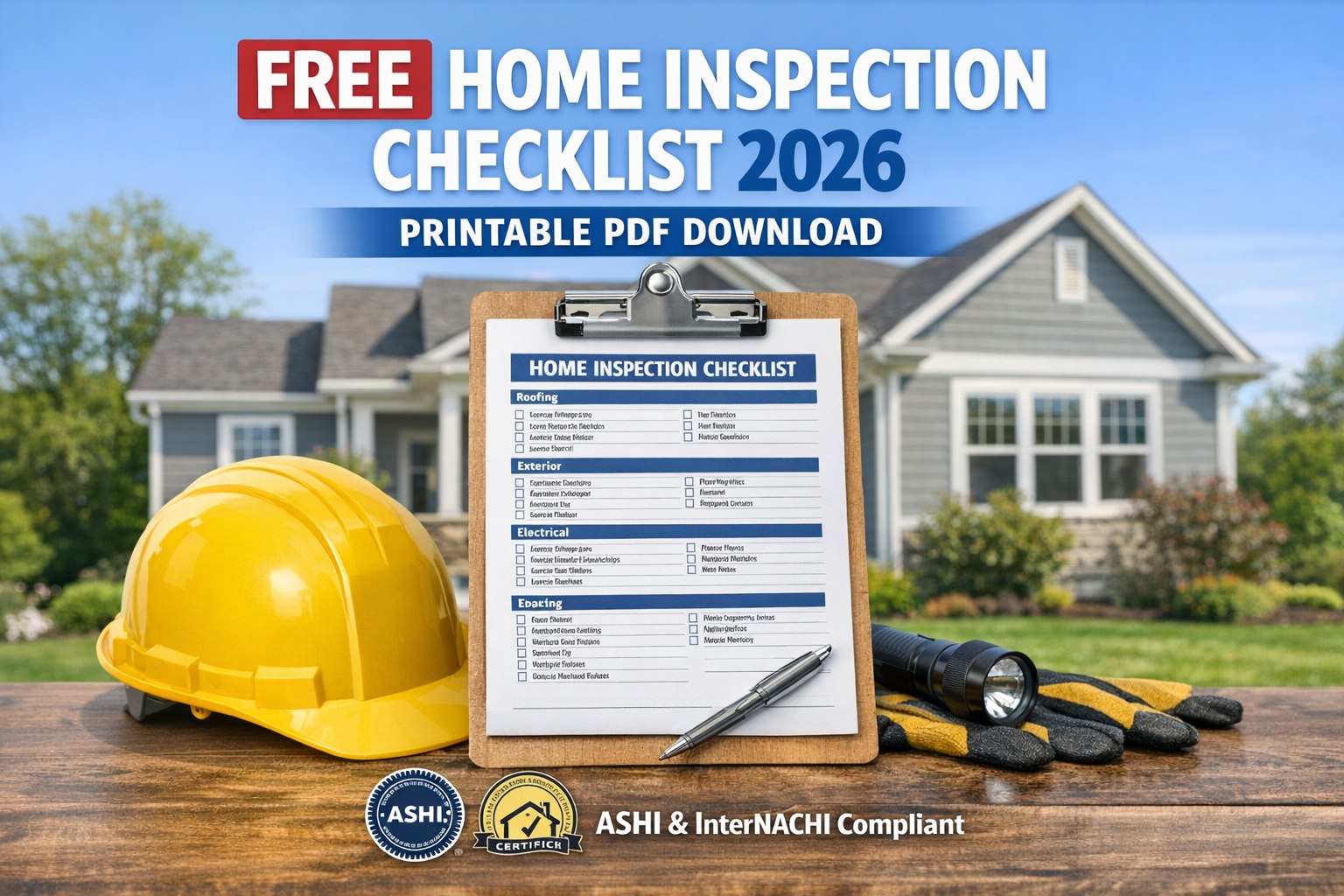
Compliance Note: Home inspectors should follow ASHI (American Society of Home Inspectors) and InterNACHI (International Association of Certified Home Inspectors) Standards of Practice for plumbing inspections. Inspectors are not required to operate any valve except water closet flush valves, fixture faucets, and hose faucets. Always recommend licensed plumber evaluation for complex issues, concealed piping concerns, or conditions requiring repair beyond visual inspection scope.
Plumbing Inspection Checklist
1. Pre-Inspection Preparation
- Verify water service is turned on to the property
- Confirm access to water heater and main shut-off valve
- Check flashlight for inspecting under sinks and in dark areas
- Ensure moisture meter is available for detecting hidden leaks
- Review property age to anticipate pipe materials and potential issues
- Note number of bathrooms, kitchens, and plumbing fixtures
- Identify any visible plumbing access panels
- Check for crawl space or basement access to view supply and drain lines
- Document weather conditions if inspecting exterior plumbing
- Prepare camera for documenting defects and pipe materials
2. Main Water Supply
- Locate and identify main water shut-off valve
- Verify main shut-off valve is accessible and operational
- Identify water supply source (municipal or private well)
- Check main water supply line material (copper, PEX, galvanized, polybutylene)
- Inspect visible supply line for leaks, corrosion, or damage
- Note presence of pressure reducing valve if applicable
- Test water pressure at hose bib (normal range 40-80 psi)
- Check for water hammer or pressure surge issues
- Verify proper support and protection of main supply line
- Identify any visible repairs or patches on supply piping
- Note if polybutylene piping is present (known failure risk)
- Check for lead service lines in older homes
3. Water Distribution Piping
- Identify pipe material throughout the home (copper, PEX, CPVC, galvanized)
- Check for mixed pipe materials and proper transition fittings
- Inspect visible piping for corrosion, leaks, or mineral deposits
- Verify pipes are properly supported and secured
- Check for proper pipe insulation in unconditioned spaces
- Look for signs of previous leaks (staining, mineral deposits, repairs)
- Verify adequate pipe sizing for fixture demand
- Check for galvanic corrosion at dissimilar metal connections
- Inspect any accessible pipe connections and fittings
- Note any amateur or improper pipe repairs
- Verify proper clearance from heat sources
- Check for pipes in exterior walls (freeze risk)
4. Water Heater Inspection
- Identify water heater type (tank, tankless, heat pump)
- Document water heater age, capacity, and fuel source
- Check for proper installation and manufacturer compliance
- Verify temperature and pressure relief valve is present
- Check TPR valve discharge pipe extends to within 6 inches of floor
- Verify TPR discharge pipe is not capped, plugged, or reduced
- Check for signs of leaks at tank, connections, or TPR valve
- Verify proper venting for gas water heaters (draft, clearance)
- Check gas water heater combustion air supply
- Inspect flue pipe connections and condition
- Verify proper clearance from combustibles
- Check for rust, corrosion, or sediment at tank base
- Verify seismic strapping where required
- Check drip pan and drain line if installed in living space
- Test hot water delivery at fixtures
- Note water heater location (garage, attic, closet, etc.)
5. Kitchen Plumbing
- Test kitchen sink faucet operation (hot and cold)
- Check water pressure and flow at kitchen sink
- Verify hot water reaches fixture within reasonable time
- Inspect under-sink supply lines and connections for leaks
- Check shut-off valves for operation and leaks
- Inspect P-trap and drain connections for leaks
- Test sink drain flow and check for slow drainage
- Check for garbage disposal and test operation
- Verify garbage disposal drain connection is secure
- Inspect dishwasher supply and drain connections
- Verify dishwasher drain has high loop or air gap
- Check refrigerator water supply line if applicable
- Inspect any instant hot water dispenser
- Look for signs of leaks or water damage in cabinet
6. Bathroom Plumbing - Sinks
- Test all bathroom sink faucets (hot and cold)
- Check water pressure and flow at each sink
- Verify hot water delivery to all bathroom sinks
- Inspect under-sink supply lines for leaks
- Check shut-off valves for operation and condition
- Inspect P-trap and drain connections
- Test drain flow and check for slow drainage
- Check for proper sink mounting and caulking
- Inspect overflow drain function
- Look for signs of leaks or water damage in vanity cabinet
- Check faucet aerators for proper flow
- Verify pop-up drain stopper operation
7. Bathroom Plumbing - Toilets
- Test flush operation of all toilets
- Verify toilet fills and stops properly after flush
- Check for continuous running or phantom flushing
- Inspect toilet base for stability (rocking indicates wax ring issue)
- Check for leaks at base of toilet
- Inspect water supply line and shut-off valve
- Check tank components for proper operation
- Verify toilet is securely mounted to floor
- Look for cracks in toilet bowl or tank
- Check caulking at toilet base (if present)
- Test toilet paper holder mounting
- Note toilet age and water efficiency rating
8. Bathroom Plumbing - Tubs and Showers
- Test tub and shower faucet operation (hot and cold)
- Check water pressure and flow at tub/shower
- Verify hot water reaches fixture
- Test tub spout diverter operation
- Check showerhead for proper flow and leaks
- Inspect tub/shower drain for proper drainage
- Check drain stopper operation
- Inspect tub overflow drain
- Check caulking and grout condition at tub surround
- Look for signs of water damage around tub/shower
- Verify shower door or curtain rod is secure
- Check for proper ventilation to prevent moisture damage
- Inspect whirlpool tub jets and pump if applicable
- Check access panel for whirlpool tub motor
9. Laundry Area Plumbing
- Inspect washing machine supply valves (hot and cold)
- Check washing machine supply hoses for condition and leaks
- Recommend replacement if rubber hoses are aging
- Verify washing machine drain standpipe is present
- Check standpipe height (typically 18-30 inches above trap)
- Inspect floor drain if present
- Check for utility sink and test operation
- Verify proper drainage at laundry area
- Look for signs of previous overflow or leaks
- Check dryer vent for proper installation (gas dryers)
10. Drain-Waste-Vent System
- Identify drain pipe material (PVC, ABS, cast iron, galvanized)
- Inspect visible drain pipes for leaks or damage
- Check for proper drain pipe slope (1/4 inch per foot minimum)
- Verify P-traps are present at all fixtures
- Check for S-traps (not code compliant)
- Look for signs of drain backup or slow drainage
- Inspect cleanout access points
- Verify vent pipes extend through roof
- Check vent pipe flashing at roof penetration
- Listen for gurgling sounds indicating venting issues
- Look for signs of sewer gas odor
- Check basement or crawl space drain pipes
11. Sewer and Septic
- Identify waste disposal method (public sewer or septic)
- Locate main sewer cleanout if accessible
- Note any visible sewer line issues or repairs
- Check for sewer line bellies or settling (recommend camera inspection)
- Verify septic tank location if applicable
- Check for signs of septic system problems
- Note when septic was last pumped (if available)
- Look for signs of sewage backup or odors
- Recommend sewer scope for older homes
- Note any sump pump and test operation
- Check ejector pump if present
12. Exterior and Additional Plumbing
- Test all exterior hose bibs for operation and leaks
- Check for freeze-proof hose bibs in cold climates
- Verify proper hose bib backflow prevention
- Inspect irrigation system connections if present
- Check pool or spa plumbing connections if applicable
- Verify exterior plumbing is properly supported
- Look for any exterior leaks or water damage
- Check gas line connections to outdoor appliances
- Verify proper drainage away from foundation
- Note any outdoor kitchens or wet bars
13. Gas Piping (Visual Inspection)
- Identify gas piping material (black iron, CSST, copper)
- Check visible gas piping for proper support
- Look for any signs of corrosion or damage
- Verify CSST is properly bonded if present
- Check gas shut-off valves at appliances
- Note gas meter location and condition
- Look for any gas odors indicating leaks
- Verify proper clearances for gas piping
- Check gas line connections to appliances
- Note any flexible gas connectors and condition
14. Documentation and Reporting
- Document all pipe materials observed
- Photograph all identified plumbing defects
- Record water heater data plate information
- Note all areas that were inaccessible
- Document functional flow test results
- List all recommended repairs by priority
- Note items requiring licensed plumber evaluation
- Document any safety hazards (gas leaks, cross-connections)
- Prepare summary of major findings for client
- Include recommendations for maintenance
Technical Note: Home inspectors are not required to operate any main, gas, or water supply valves; determine water quality, potability, or well water quantity; inspect water conditioning systems, fire suppression systems, or private sewage disposal systems; inspect any system that has been winterized or shut down; or inspect any plumbing components not readily accessible. Always refer to your state's home inspection regulations and applicable Standards of Practice for specific requirements and limitations.
Step-by-Step Inspection Procedure
Initial Assessment Phase
Water Service Verification:
Begin the plumbing inspection by confirming water service is active and locating the main water shut-off valve. Document the valve type, location, and accessibility. Identify the water source (municipal or well) and note the supply line material entering the building. Test water pressure at an exterior hose bib using a pressure gauge, documenting the reading. Normal residential water pressure ranges from 40 to 80 psi; pressure above 80 psi may require a pressure reducing valve.
Pipe Material Identification:
Identify and document all visible pipe materials throughout the home. This includes supply piping (copper, PEX, CPVC, galvanized, polybutylene) and drain piping (PVC, ABS, cast iron, galvanized). Note any mixed materials and verify proper transition fittings are used where dissimilar metals connect. Polybutylene supply piping (gray or blue plastic, common 1978-1995) has known failure issues and should be specifically noted for client awareness.
Functional Flow Test:
Perform a functional flow test by running multiple fixtures simultaneously. Turn on the highest and most remote fixture, then operate another fixture on the same floor. Significant pressure drop indicates undersized piping, restrictions, or supply issues. Document the results and note any fixtures with inadequate flow.
Water Heater Evaluation
Safety Component Inspection:
The water heater inspection focuses on safety components first. Verify the temperature and pressure relief (TPR) valve is present, properly rated for the water heater, and has a discharge pipe extending to within 6 inches of the floor or to an approved location. The discharge pipe must not be capped, plugged, threaded at the end, or reduced in size. Missing or improper TPR installations represent significant safety hazards.
Gas Water Heater Venting:
For gas water heaters, inspect the draft hood and flue pipe connections. Verify proper upward slope of the flue pipe (1/4 inch rise per foot minimum), secure connections without gaps, and adequate clearance from combustible materials. Check for proper combustion air supply. Test draft by holding a match or smoke source near the draft hood while the burner is operating—smoke should be drawn upward into the flue.
Tank Condition Assessment:
Inspect the water heater tank for signs of leaks, rust, or corrosion, particularly at the base and around fittings. Check the drip pan (if present) for signs of previous leaks. Document the water heater age using the serial number, as most water heaters have a 10-15 year expected lifespan. Note any sediment buildup sounds during operation.
Fixture-by-Fixture Testing
Kitchen Plumbing Inspection:
Test the kitchen sink faucet for proper hot and cold water delivery, adequate pressure, and smooth operation. Inspect under the sink for supply line leaks, shut-off valve function, and P-trap condition. Check garbage disposal operation if present. Verify dishwasher drain has a high loop or air gap to prevent backflow. Inspect any refrigerator water supply line for leaks or damage.
Bathroom Fixture Testing:
Test each bathroom fixture systematically. For sinks, check faucet operation, water pressure, drainage speed, and under-sink connections. For toilets, verify flush operation, tank refill, base stability, and supply connections. For tubs and showers, test water delivery, drainage, and diverter operation. Inspect caulking and grout condition, as failed sealants allow water intrusion into wall cavities.
Drain System Evaluation:
Test all drains for proper flow. Slow drains may indicate partial blockages, improper venting, or pipe slope issues. Listen for gurgling sounds at fixtures, which often indicate venting problems. Verify all fixtures have proper P-traps. S-traps, which connect directly to drains in the floor, are no longer code compliant and can allow sewer gas entry through trap siphonage.
Drain-Waste-Vent Assessment
Visible Drain Pipe Inspection:
Inspect all accessible drain pipes in basements, crawl spaces, and under sinks. Look for leaks, improper connections, missing supports, or damage. Cast iron drain pipes in older homes may show corrosion or deterioration. Check cleanout locations and verify they are accessible. Note any evidence of previous backups or repairs.
Vent System Verification:
Verify that vent pipes are visible extending through the roof. From inside the attic, check vent pipe connections and routing. Missing or blocked vents cause slow drainage, gurgling sounds, and allow sewer gas entry. Vent pipe roof penetrations should have proper flashing to prevent water intrusion.
| Pipe Material | Common Use | Expected Lifespan | Common Issues |
|---|---|---|---|
| Copper | Supply lines | 50+ years | Pinhole leaks, corrosion at fittings |
| PEX | Supply lines | 40-50 years | UV degradation, rodent damage |
| CPVC | Supply lines | 50-75 years | Brittleness with age, chemical sensitivity |
| Galvanized Steel | Supply/Drain | 20-50 years | Internal corrosion, reduced flow |
| Polybutylene | Supply lines | 10-15 years | Sudden failure, class action settlements |
| Cast Iron | Drain lines | 75-100 years | Corrosion, joint separation |
| PVC/ABS | Drain lines | 50-100 years | Joint failures, improper slope |
| Water Heater Type | Expected Lifespan | Key Inspection Points |
|---|---|---|
| Gas Tank (Standard) | 8-12 years | TPR valve, venting, combustion air, tank condition |
| Electric Tank | 10-15 years | TPR valve, element access, tank condition |
| Tankless Gas | 15-20 years | Venting, gas connection, error codes |
| Tankless Electric | 15-20 years | Electrical connection, flow sensor |
| Heat Pump | 10-15 years | Condensate drain, air filter, clearances |
| Common Defect | Location | Significance |
|---|---|---|
| Missing TPR discharge pipe | Water heater | Safety hazard - scalding/explosion risk |
| Double-tapped water heater | Gas connection | Code violation - improper installation |
| S-trap configuration | Fixture drains | Sewer gas entry risk - replace with P-trap |
| Polybutylene piping | Supply lines | High failure risk - disclose to client |
| Cross-connection | Various | Contamination risk - immediate correction |
| Improper drain slope | Drain lines | Slow drainage, backup potential |
| Missing shut-off valves | Fixtures | Inconvenience - recommend installation |
| Corroded supply valves | Under sinks | Leak risk - recommend replacement |
Conclusion
A thorough plumbing inspection is essential for identifying defects that could lead to water damage, health hazards, or costly repairs. From supply lines to drain systems, water heaters to fixtures, each component requires systematic evaluation to ensure proper function and safety. Plumbing defects range from minor maintenance items like dripping faucets to major concerns like failing water heaters or polybutylene piping that require immediate attention and significant expense to correct.
Home inspectors should always operate within their scope of practice, understanding that plumbing inspection is primarily visual and functional testing of accessible components. Recommend licensed plumber evaluation for suspected concealed leaks, drain line issues, or any conditions requiring repair. Proper documentation of findings, including photographs and detailed notes, provides clients with clear guidance for maintaining their plumbing system and addressing identified defects.
Streamline Your Plumbing Inspections with HomeInspecto
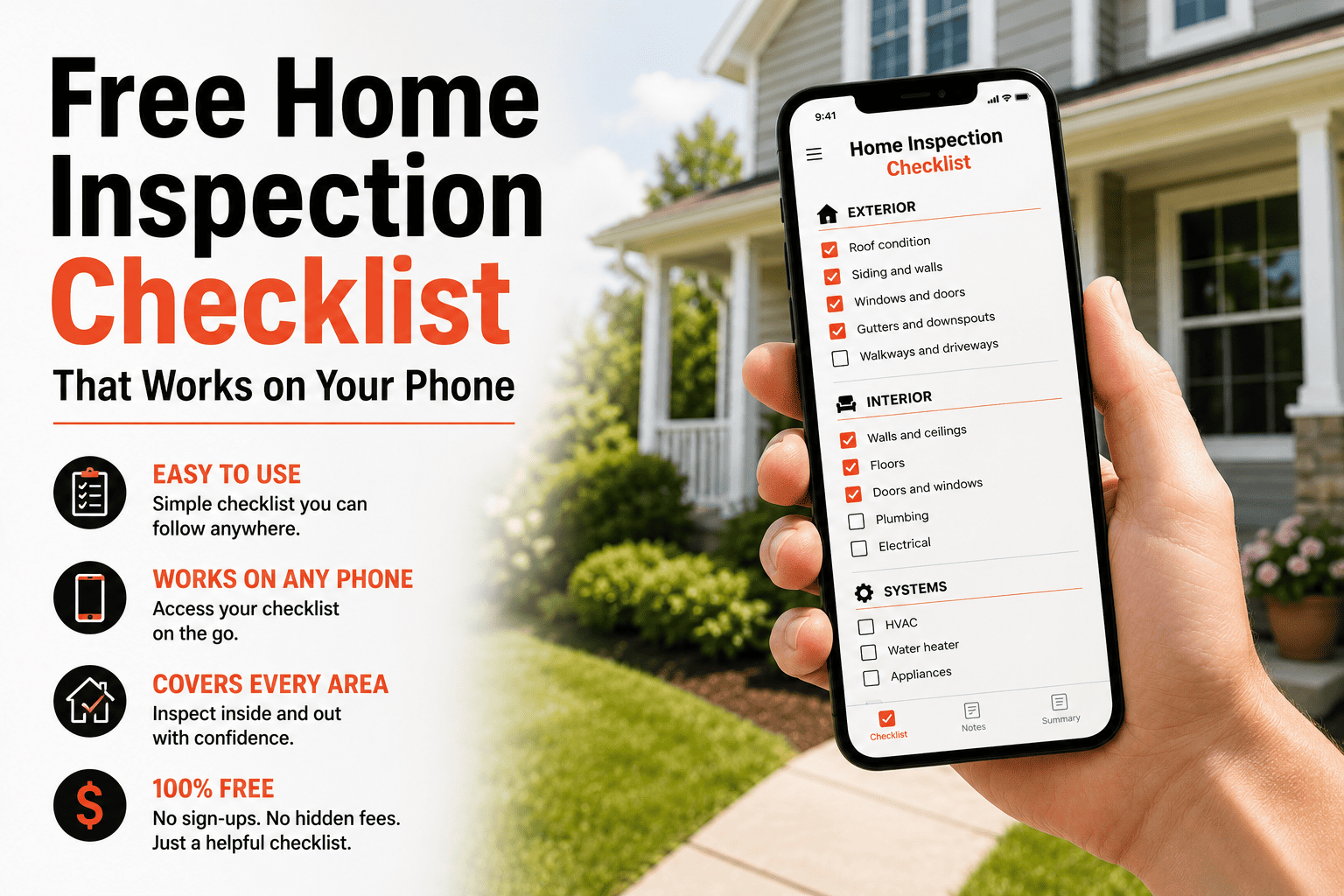
While paper-based inspection documentation has been the industry standard, professional home inspectors are now embracing digital solutions like HomeInspecto. This powerful platform transforms plumbing inspection workflows in several critical ways:
- Digital Inspection Checklists: HomeInspecto provides comprehensive plumbing inspection templates ensuring every fixture, pipe, and component is systematically evaluated regardless of inspector experience level.
- Photo Documentation: Capture and attach photos directly to specific findings, creating visual evidence of water heater data plates, pipe materials, and defects for clear client communication.
- Automated Reporting: Generate professional inspection reports with plumbing findings organized by location and severity, saving hours of report writing time.
- Comment Libraries: Access pre-written professional comments for common plumbing defects like polybutylene piping, missing TPR valves, and S-trap configurations.
- Mobile Accessibility: Complete inspections on-site using smartphone or tablet, with all data syncing automatically to the cloud.
- Client Delivery: Send completed reports directly to clients with branded, professional formatting that builds credibility and trust.
- Inspection History: Maintain complete records of all inspections for reference, follow-up, and business analytics.
- Compliance Support: Built-in references to ASHI and InterNACHI standards help ensure inspections meet professional requirements.
HomeInspecto eliminates the limitations of paper-based inspection records while substantially improving documentation quality, accessibility, and professional presentation. Inspectors using HomeInspecto typically report completing plumbing inspections faster while producing more thorough and professional reports.
Protect your clients from costly plumbing surprises, document your findings professionally, and grow your inspection business—plumbing inspections powered by HomeInspecto technology deliver the efficiency and quality today's home buyers expect.