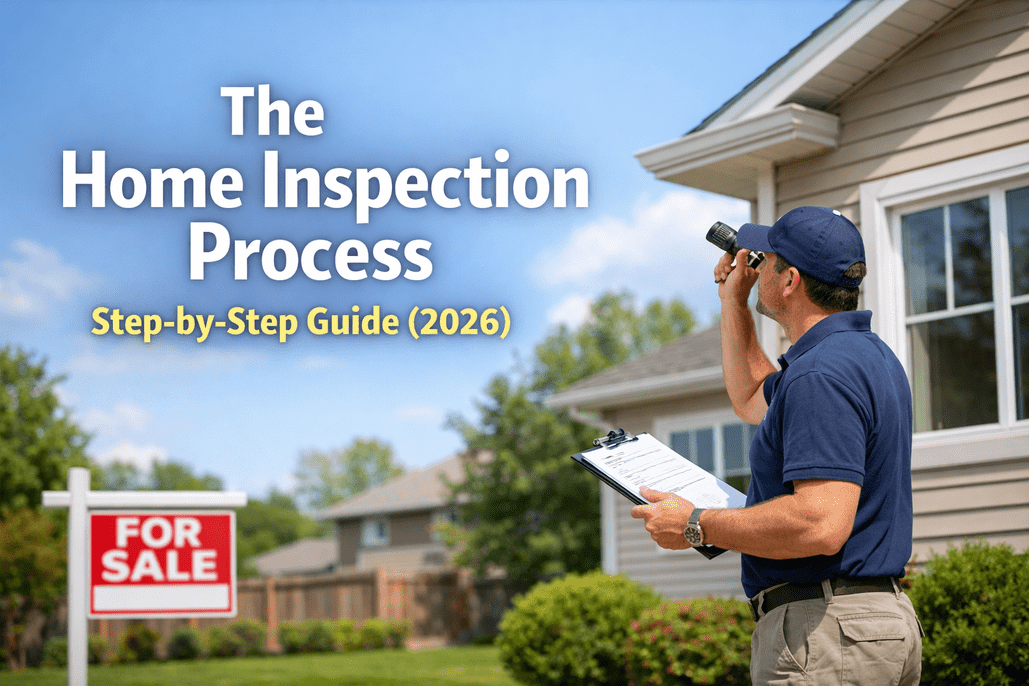

Over 50% of home inspectors face at least one liability claim during their careers. The majority stem from errors and omissions—missed defects, documentation gaps, and inconsistent reporting. Average claim costs exceed $27,000, and defending even a meritless lawsuit can exceed $45,000 in legal fees alone.
These aren't random events. They follow predictable patterns tied to inspection workflow failures. This guide provides a professional-grade walkthrough sequence designed to reduce errors, improve consistency, and build defensible inspection records.
Why Workflow Consistency Matters
Inconsistent workflows are the root cause of most inspection failures. When inspectors approach each property differently, critical systems get overlooked. The solution is standardization—a consistent sequence that ensures every inspection covers the same systems regardless of property type or time constraints.
Inconsistent Process
Missed Defects
Weak Documentation
Liability Claims
The 10-Step Professional Inspection Sequence
This workflow follows InterNACHI and ASHI standards while optimizing for thoroughness and documentation quality.
Exterior First-Pass Overview
Key Checkpoints
- Grading and drainage patterns
- Siding condition and material
- Foundation above grade
- Windows, doors, trim, flashing
- Driveways and walkways
Common Mistakes
- Skipping full perimeter walk
- Missing drainage issues
- Not photographing grade slope
Roof Evaluation
HIGH CLAIM AREAKey Checkpoints
- Covering material and age
- Flashing at penetrations
- Ridge and hip condition
- Gutters and downspouts
- Ventilation components
Common Mistakes
- Ground-only when access is safe
- Missing flashing failures
- No service life estimate
Structural & Foundation
HIGH CLAIM AREAKey Checkpoints
- Foundation type and condition
- Crack patterns and severity
- Floor framing visible
- Beam/column connections
- Water intrusion evidence
Common Mistakes
- Dismissing hairline cracks
- Missing cosmetic cover-ups
- Skipping crawlspace access
Electrical Systems
SAFETY CRITICALKey Checkpoints
- Panel capacity and labeling
- GFCI/AFCI presence
- Grounding and bonding
- Wiring condition
- Outlet testing
Common Mistakes
- Not ID'ing FPE/Zinsco panels
- Missing double-tapped breakers
- Skipping GFCI testing
Plumbing Systems
HIGH CLAIM AREAKey Checkpoints
- Supply material and condition
- Water heater (age, TPR)
- Fixture function and leaks
- Water pressure
- Shut-off valves
Common Mistakes
- Missing polybutylene
- Not checking TPR discharge
- Insufficient run time
HVAC Systems
SEASONAL LIMITSKey Checkpoints
- Equipment type and age
- Distribution system
- Thermostat operation
- Filter condition
- Condensate drainage
Common Mistakes
- AC operation below 65°F
- Not documenting age
- Missing ductwork issues
Interior Rooms
SYSTEMATICKey Checkpoints
- Walls, ceilings, floors
- Doors and windows
- Bath ventilation
- Kitchen appliances
- Smoke/CO detectors
Common Mistakes
- Rushing through rooms
- Missing settlement cracks
- Not testing appliances
Attic & Insulation
OFTEN SKIPPEDKey Checkpoints
- Insulation type and depth
- Ventilation (soffit, ridge)
- Roof structure inside
- Moisture evidence
- Exhaust terminations
Common Mistakes
- Declining safe access
- Missing bath fans to attic
- Not measuring depth
Crawlspace & Basement
OFTEN SKIPPEDKey Checkpoints
- Foundation walls interior
- Floor framing/supports
- Vapor barriers
- Water/pest evidence
- Sump pump operation
Common Mistakes
- Avoiding entry entirely
- Missing WDI evidence
- Not checking moisture
Final System Cross-Check
BEFORE LEAVINGKey Checkpoints
- Verify all documented
- Review photo quality
- Confirm defects captured
- Cross-reference checklist
- Communicate findings
Common Mistakes
- Leaving without review
- Missing follow-up items
- No verbal communication
Top 5 Claim Categories
Documentation Protocol: The Legal Shield
Timestamped Photos
Clients claim defects existed during inspection when they developed later. Timestamped photos prove conditions on inspection day.
Inaccessible Areas
Courts may not accept "I couldn't see it" without proof. Photograph every obstruction showing WHY inspection wasn't possible.
Standardized Reports
Consistent formatting demonstrates professional standards. Attorneys can't argue unreliable process when all reports follow same structure.
The ROI of Systematic Inspection
One Liability Claim
Settlement + legal + time
Annual Software
Professional platform
Expert Review: Defensible Practice
Follow SOP consistently — deviation is first thing attorneys attack
Document limitations — photos AND written explanation needed
Use specific language — "observed" not "appears"
Never admit fault — contact E&O carrier first
Preserve all records — reports, photos, communications
Review before leaving — confirm completeness on-site
Frequently Asked Questions
What's the optimal walkthrough sequence?
Exterior-to-interior: exterior, roof, foundation, then systems (electrical, plumbing, HVAC), interior rooms, attic, crawlspace, final cross-check. This ensures structural issues identified first and HVAC has run time.
How many photos should an inspection include?
No fixed number—depends on property. Typical 2,000 sq ft home: 100-200 photos. Key: document every defect, all systems, all access points, all limitations.
How do I document inaccessible areas?
Photograph obstruction. Write specific language: "Attic access obstructed by stored items—not inspected. Recommend clearing for inspection before purchase." Never use vague language.
Same workflow for every property type?
Yes—with modifications. Core sequence stays consistent. Add property-specific items (pool, well/septic) at appropriate points. Consistency demonstrates professional standards.
How do digital checklists reduce liability?
Enforce completeness—mandatory items can't be skipped. Create timestamped records. Cloud storage prevents lost records. Standardized templates ensure consistent language.
Conclusion
Professional inspection workflow builds practices that catch defects, create documentation, and protect your business. The inspectors facing fewest claims follow consistent processes and document thoroughly.
Don't Let Workflow Gaps Cost You Your Business
HomeInspecto provides systematic checklists and documentation tools that help inspectors build defensible practices.