
The home inspection industry in the United States continues evolving rapidly, with training and certification requirements becoming increasingly sophisticated. Modern inspectors face mounting pressure to maintain current credentials, pursue continuing education, and demonstrate verified competencies to clients and regulatory bodies alike. This comprehensive knowledge hub addresses the critical intersection of professional development, digital tools, and certification management that defines success in today's inspection marketplace.
Understanding training and certification landscape isn't merely about checking compliance boxesit's about building sustainable competitive advantage in a profession where credibility directly impacts revenue. Inspectors who master credential management, leverage digital learning platforms, and systematically track their professional development consistently outperform peers who treat certification as an afterthought.
This resource explores cutting-edge approaches transforming how inspection professionals approach education, certification maintenance, and competency verification. From mobile training platforms to integrated credential tracking systems, the tools available today enable unprecedented efficiency in managing professional requirements while maximizing business development opportunities.
States with inspection requirements
Average CE hours annually
Inspectors using digital training
Average annual training investment
Navigate the complete training and certification ecosystem for home inspection professionals. This knowledge hub covers state licensing requirements, continuing education strategies, specialty certifications, digital training platforms, and credential management systems that streamline compliance while advancing your career. Book a demo to see how modern inspection software integrates with your training workflow.
Cutting-edge approaches redefining Training & Certification operations in home inspection
The inspection industry's approach to professional development has undergone fundamental transformation over the past decade. Traditional classroom-based learning, while still valuable, now represents just one component of comprehensive training ecosystems that leverage mobile accessibility, on-demand content, and integrated credential management.
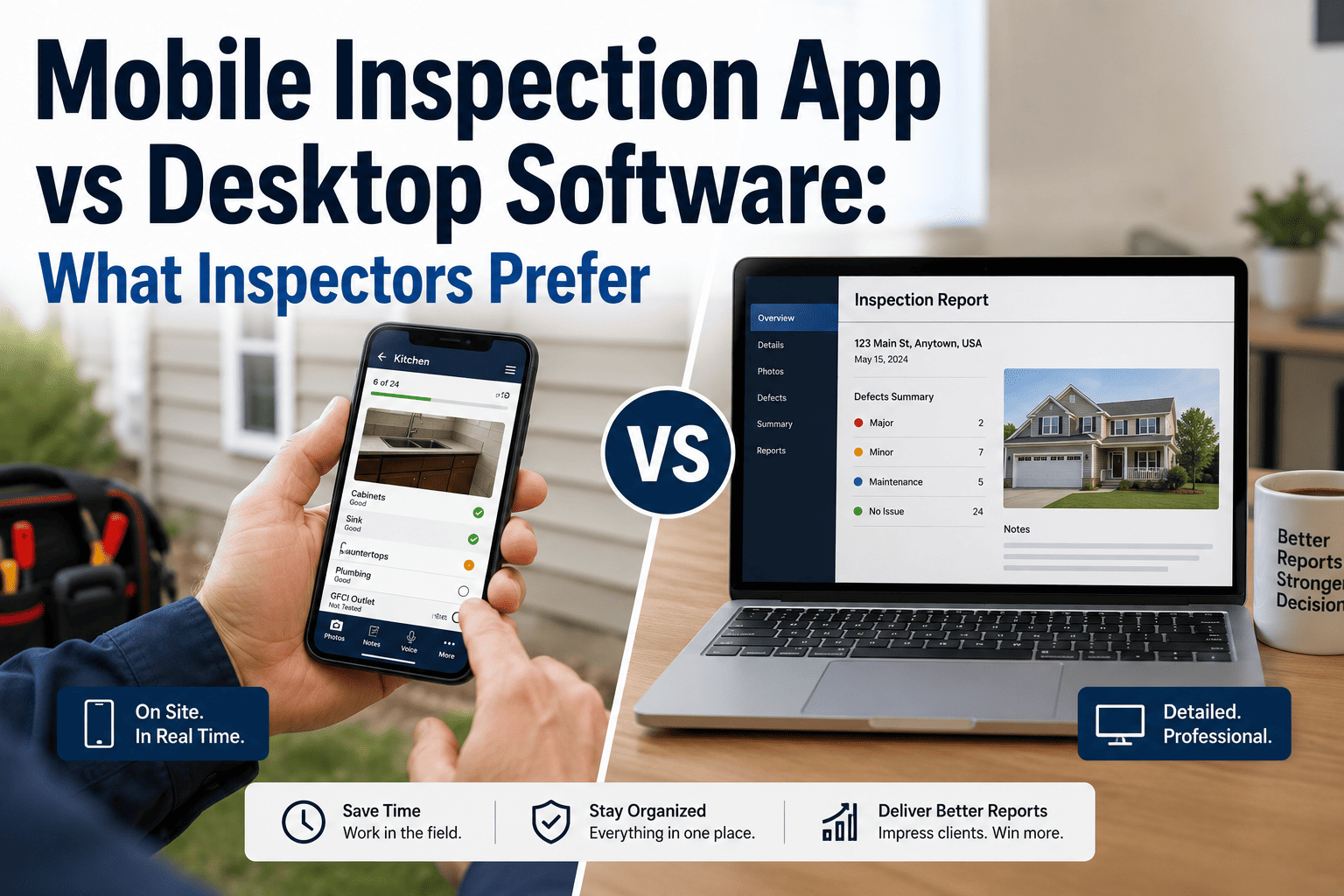
Modern training platforms recognize that inspectors work demanding schedules with unpredictable availability. Solutions enabling bite-sized learning modules, field-accessible reference materials, and automated credential tracking address real-world professional development challenges rather than forcing inspectors into rigid educational frameworks designed for different industries.
Mobile-First Learning Platforms
Access training content anywhere—during lunch breaks, between inspections, or at home. Mobile platforms deliver video instruction, interactive assessments, and downloadable resources optimized for smartphone and tablet consumption without sacrificing educational quality.
Automated CE Tracking
Never miss renewal deadlines again. Integrated systems monitor continuing education requirements across multiple certifications, sending timely reminders and automatically logging completed coursework against state and organizational mandates.
Specialty Certification Pathways
Differentiate your services through specialized credentials. Structured pathways guide inspectors through mold, radon, termite, commercial, and other specialty certifications—expanding service offerings while building verifiable expertise.
State Compliance Management
Navigate varying state requirements confidently. Comprehensive compliance tools track licensing prerequisites, renewal cycles, and jurisdiction-specific mandates—essential for inspectors operating across multiple states or planning geographic expansion.
Interactive Assessment Systems
Validate knowledge retention through dynamic testing. Modern assessment platforms adapt difficulty based on performance, identify knowledge gaps, and recommend targeted training to address weaknesses before they impact inspection quality.
Digital Credential Verification
Share verified credentials instantly with clients and partners. Digital badges, QR-code verifiable certificates, and real-time credential portals demonstrate professional standing without manual documentation hunting.
The Digital Transformation of Inspector Education
Inspector training has moved decisively toward digital delivery models that accommodate professional realities. Online platforms offering accredited continuing education now dominate the landscapeproviding flexibility impossible with traditional classroom instruction while maintaining—or exceeding—educational standards.
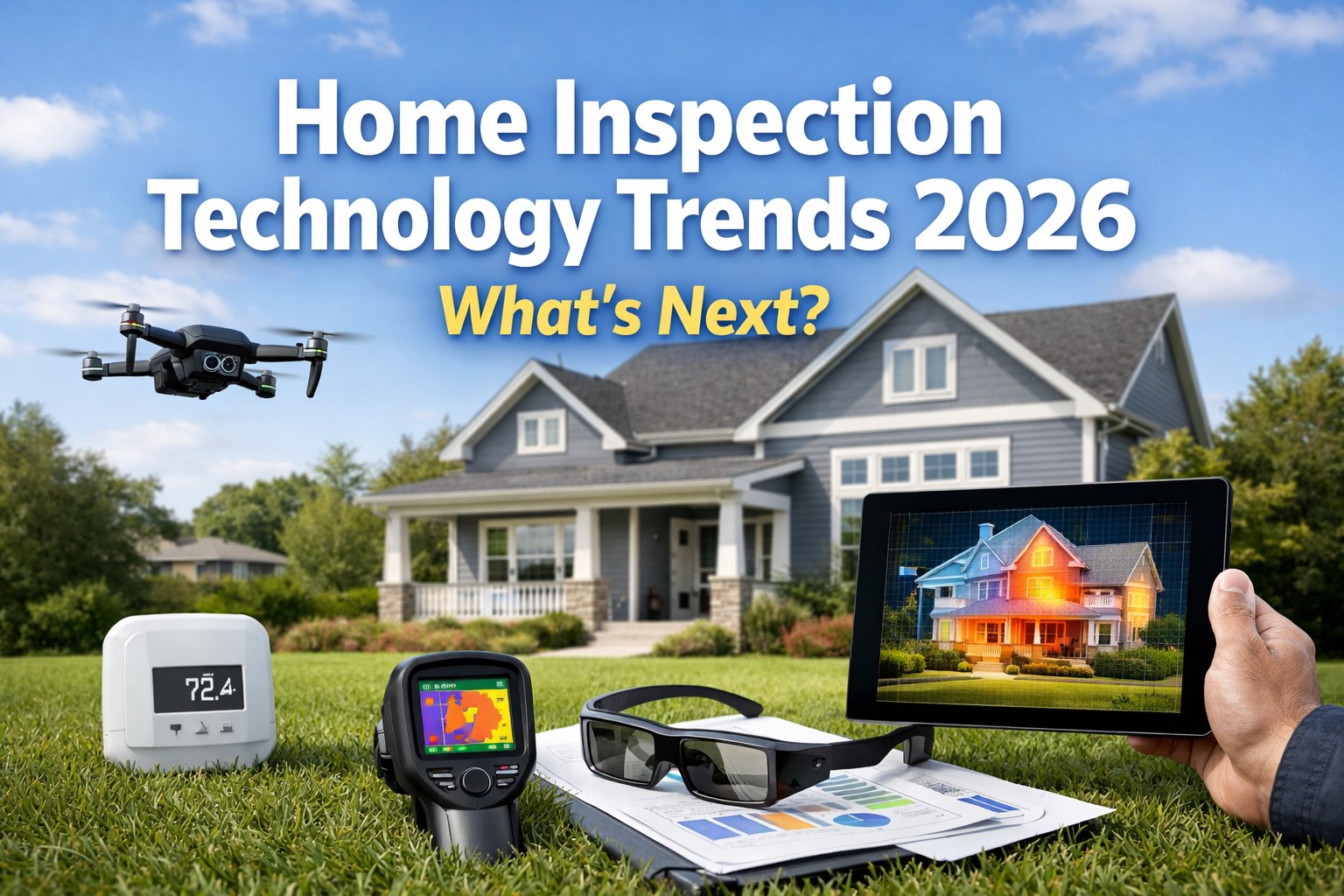
Virtual reality simulations represent the cutting edge of inspection training technology. These immersive experiences allow inspectors to practice identifying defects, navigating challenging inspection scenarios, and developing systematic approaches within controlled environments before encountering similar situations in the field. Early adopters report significant improvements in defect identification accuracy and inspection efficiency.
Peer learning networks facilitated through digital platforms create ongoing professional development opportunities beyond formal coursework. Discussion forums, case study sharing, and expert Q&A sessions build practical knowledge that complements theoretical training—connecting inspectors nationwide for collaborative learning experiences.
Streamline Your Certification Management
Modern inspection software integrates credential tracking with your daily workflow. See how HomeInspecto helps manage certifications alongside inspection operations.
Book a Demo Contact SupportProfessional insight on managing large portfolios using Training & Certification
Multi-inspector firms and franchise operations face unique training and certification challenges magnified by scale. Managing credentials across numerous inspectors—each with different certification expiration dates, continuing education requirements, and specialty designations—requires systematic approaches that individual inspectors never consider.
Successful portfolio management begins with centralized credential databases providing real-time visibility into organizational compliance status. These systems flag upcoming expirations, track training completion across the team, and generate reports documenting organizational competency for insurance, franchise, or client requirements.
Begin by cataloging every certification, license, and designation across your inspector team. Document expiration dates, renewal requirements, issuing authorities, and continuing education mandates. This baseline inventory reveals compliance gaps and prioritizes immediate action items.
Develop consistent onboarding and ongoing training standards regardless of inspector experience level. Standardization ensures quality consistency across all team members while simplifying compliance documentation. Define minimum credential requirements for different service offerings and inspection types.
Implement software solutions that automatically track credential status across your organization. Set reminder thresholds at 90, 60, and 30 days before expirations. Generate monthly compliance reports for management review. Integrate credential verification into scheduling systems to prevent non-credentialed inspectors from receiving inappropriate assignments.
Establish annual training budgets and approved provider lists. Negotiate group rates with training organizations for volume discounts. Create internal knowledge-sharing sessions where senior inspectors train newer team members. Track CE completion against requirements to identify inspectors falling behind.
Map specialty certifications to market demand in your service area. Invest strategically in credentials that enable new revenue streams. Coordinate specialty training across the team to ensure coverage for all service offerings. Balance specialization against operational flexibility requirements.
State-by-State Licensing Navigation
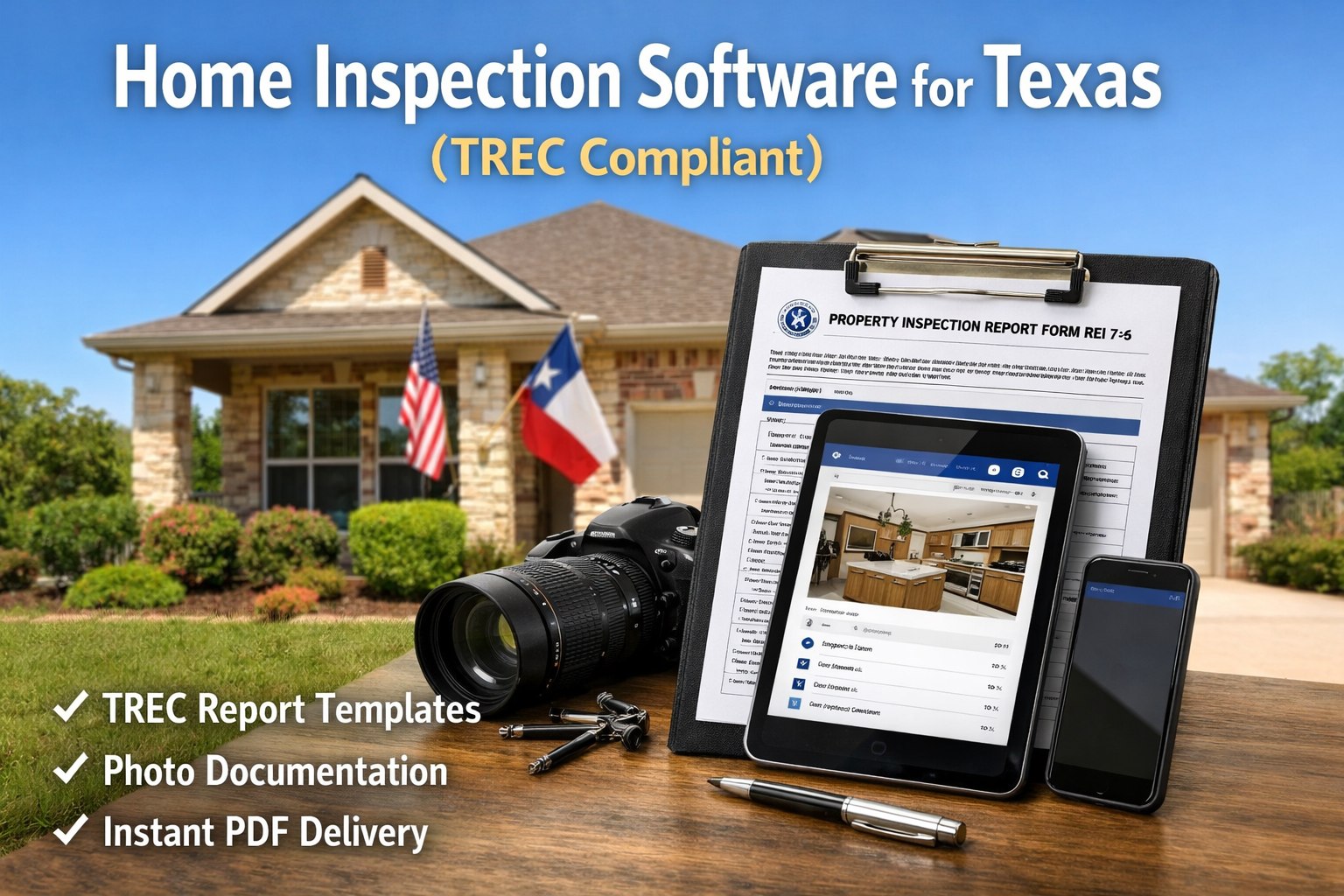
Home inspector licensing requirements vary dramatically across U.S. states. Some jurisdictions mandate comprehensive training programs, proctored examinations, apprenticeship periods, and ongoing continuing education. Others impose minimal or no requirements. Understanding this patchwork landscape is essential for inspectors operating in multiple jurisdictions or considering geographic expansion.
States with stringent requirements typically mandate 80-120 hours of pre-licensing education, passage of national or state-specific examinations, supervised field training, and 16-24 hours of annual continuing education. These requirements create barriers to entry but also establish baseline competency standards that professional inspectors can leverage as market differentiators.
Reciprocity agreements between states simplify multi-state operations for properly credentialed inspectors. Understanding which jurisdictions honor credentials from other states enables efficient expansion planning while identifying where additional licensing requirements apply. Many states offer expedited licensing for inspectors holding credentials from states with equivalent or stricter requirements.
Essential Certifications for Modern Home Inspectors:
- ASHI Certified Inspector (ACI): The American Society of Home Inspectors' premier credential requiring extensive experience, examination passage, and continuing education commitment. Widely recognized by clients and real estate professionals nationwide.
- InterNACHI Certified Professional Inspector: The International Association of Certified Home Inspectors offers comprehensive certification including ongoing education requirements and access to extensive member resources.
- State Licensing: Mandatory in most jurisdictions, state licenses ensure minimum competency standards and legal authorization to perform inspections. Requirements vary significantly by location.
- Specialty Certifications: Radon measurement, mold assessment, termite/WDI, pool/spa, septic system, and other specialty credentials expand service offerings while demonstrating focused expertise.
- Insurance-Required Credentials: Many E&O insurance providers require specific certifications or association memberships as coverage prerequisites. Verify requirements with your carrier annually.
Leveraging Technology for Training Excellence
Modern inspection software platforms increasingly incorporate training management features alongside operational tools. This integration recognizes that credential management, continuing education tracking, and professional development directly impact inspection quality and business compliance.
The most effective implementations embed training reminders into daily workflows rather than treating education as a separate administrative burden. When inspectors receive credential expiration warnings alongside their inspection schedules, compliance becomes natural rather than disruptive. When CE opportunities appear contextually based on inspection types performed, professional development aligns with actual work patterns.
Case Study: Digital Training Integration Success
A multi-state inspection firm operating across the southeastern United States faced mounting compliance challenges as they expanded from three to twelve inspectors over eighteen months. Manual tracking methods that worked for a small team became untenable at scale, with near-miss credential expirations occurring monthly and inconsistent training documentation creating insurance concerns.
Implementing integrated credential management through their inspection software platform transformed their approach. Automated monitoring eliminated surprise expirations entirely. Standardized training requirements for each inspector role ensured consistent quality. Digital credential verification enabled instant compliance documentation for client and insurance inquiries. Within six months, compliance-related administrative time decreased by approximately 70% while documentation accuracy improved dramatically.
The firm subsequently leveraged improved credential tracking to pursue commercial inspection contracts requiring rigorous documentation of inspector qualifications—business opportunities previously impossible to pursue due to documentation limitations.
Ready to Transform Your Training Management?
Discover how integrated inspection software streamlines credential tracking while improving operational efficiency. Schedule a personalized demonstration.
Book a Demo Contact SupportBuilding a Continuous Learning Culture
Beyond meeting minimum requirements, successful inspection professionals cultivate ongoing learning as a core business strategy. Markets increasingly favor inspectors demonstrating commitment to excellence through credentials, specializations, and documented professional development. This differentiation becomes especially valuable in competitive markets where clients can choose among numerous providers.
Building a learning culture involves more than individual commitment—it requires systematic support structures. Allocated training budgets, protected learning time, peer mentorship programs, and recognition for credential achievement all reinforce professional development as an organizational priority rather than an individual burden.
Strategic Specialization Planning
Specialty certifications represent strategic investments requiring careful evaluation. The most valuable specializations address genuine market needs in your service area while building on existing competencies. Radon certification proves essential in high-radon regions but offers limited value elsewhere. Mold assessment credentials matter significantly in humid climates. Commercial inspection certifications unlock lucrative market segments but require substantial training investment.
Effective specialization planning begins with market analysis identifying unmet needs and underserved segments in your geography. It continues with honest assessment of your interests and aptitudes—successful specialization requires genuine engagement, not merely credential accumulation. Finally, it incorporates business planning evaluating revenue potential against training costs and time investments.
Sequential specialization often proves more effective than pursuing multiple credentials simultaneously. Mastering one specialty before adding another builds deeper expertise while managing training demands. This approach also allows business development efforts to capitalize on new capabilities before moving to the next opportunity.
Your Training & Certification Action Plan
Professional development in home inspection demands strategic thinking alongside tactical execution. Success requires clear understanding of current requirements, systematic tracking and management systems, and forward-looking investment in capabilities that advance your competitive position.
Begin by conducting a comprehensive credential audit: document every certification you hold, when renewals occur, what continuing education requirements apply, and where gaps exist relative to your business goals. This foundation enables everything that follows.
Implement tracking systems—whether through inspection software, dedicated credential management tools, or even systematic calendar management—that prevent surprise expirations and missed requirements. Automation pays dividends through eliminated stress and avoided compliance failures.
Finally, approach professional development strategically. Invest in credentials and training that advance your specific business objectives rather than pursuing credentials indiscriminately. Quality inspection services ultimately depend on genuine competence, not merely accumulated certificates.
Ready to streamline your training and certification management while elevating your inspection business? Book a demo to discover how HomeInspecto's integrated platform helps inspectors manage credentials alongside daily operations—creating efficiency while ensuring compliance. Modern inspection professionals deserve tools designed for their unique challenges. Start your free trial today and experience the difference integrated credential management makes.
Elevate Your Professional Development
Join thousands of inspection professionals using modern tools to manage credentials, track continuing education, and build competitive advantage.
Book a Demo Contact SupportFrequently Asked Questions
What certifications do I need to become a home inspector in the United States?
Requirements vary significantly by state. Most states with licensing requirements mandate completion of approved pre-licensing education (typically 80-120 hours), passage of a state or national examination, and ongoing continuing education. Some states require apprenticeship periods working under licensed inspectors. States without licensing requirements still allow voluntary certification through organizations like ASHI or InterNACHI, which many clients and real estate professionals expect. Research your specific state's requirements through the state licensing board, then consider national certifications to enhance credibility regardless of local mandates.
How much continuing education do home inspectors typically need annually?
Annual continuing education requirements typically range from 16-24 hours in states with mandatory CE. National associations like ASHI require 20 hours annually for membership maintenance. However, successful inspectors often exceed minimums, investing 30-50+ hours yearly in professional development including specialty training, industry conferences, and technical updates. Budget both time and money for ongoing education—most inspectors invest $1,500-$3,000 annually in training, conferences, and credential maintenance when accounting for all professional development activities.
Which specialty certifications provide the best return on investment?
ROI depends heavily on your market. In high-radon regions (Northeast, Midwest, mountain states), radon measurement certification often provides immediate revenue opportunities with relatively modest training investment. Mold assessment credentials prove valuable in humid climates. Termite/WDI inspections offer steady demand in most markets. Commercial inspection certification requires substantial investment but unlocks significantly higher-fee market segments. Evaluate local market demand, competitor offerings, and your genuine interest before pursuing any specialization—credentials you don't actively use provide minimal business value.
Can I perform inspections in multiple states with one license?
Reciprocity agreements between states vary considerably. Some states honor credentials from jurisdictions with equivalent requirements, enabling multi-state practice without additional licensing. Others require separate licensing regardless of credentials held elsewhere. Many states offer expedited licensing processes for out-of-state inspectors holding recognized certifications. Before operating across state lines, verify specific reciprocity provisions with each state's licensing board. National certifications (ASHI, InterNACHI) often facilitate multi-state recognition but don't eliminate state-specific requirements where they exist.
How do I track multiple certifications and renewal dates effectively?
Most successful inspectors use systematic tracking through inspection software with credential management features, dedicated CE tracking platforms, or carefully maintained calendar systems. The key is consolidating all credentials in one visible location with automated reminders well before expiration dates—typically at 90, 60, and 30 days out. Document not just expiration dates but also specific renewal requirements (hours needed, approved providers, costs). For multi-inspector firms, centralized credential databases with administrative oversight prevent organizational compliance gaps.
What training delivery methods work best for busy inspectors?
Most inspectors find hybrid approaches most effective. On-demand online courses provide flexibility for completing continuing education requirements around unpredictable schedules. Live webinars offer interaction and networking without travel. In-person training—whether association conferences, vendor sessions, or hands-on workshops—delivers depth and networking impossible to replicate digitally. Mobile-accessible content enables productive use of downtime between inspections. The optimal mix depends on your learning style, schedule flexibility, and specific training objectives, but most successful inspectors utilize all modalities strategically.