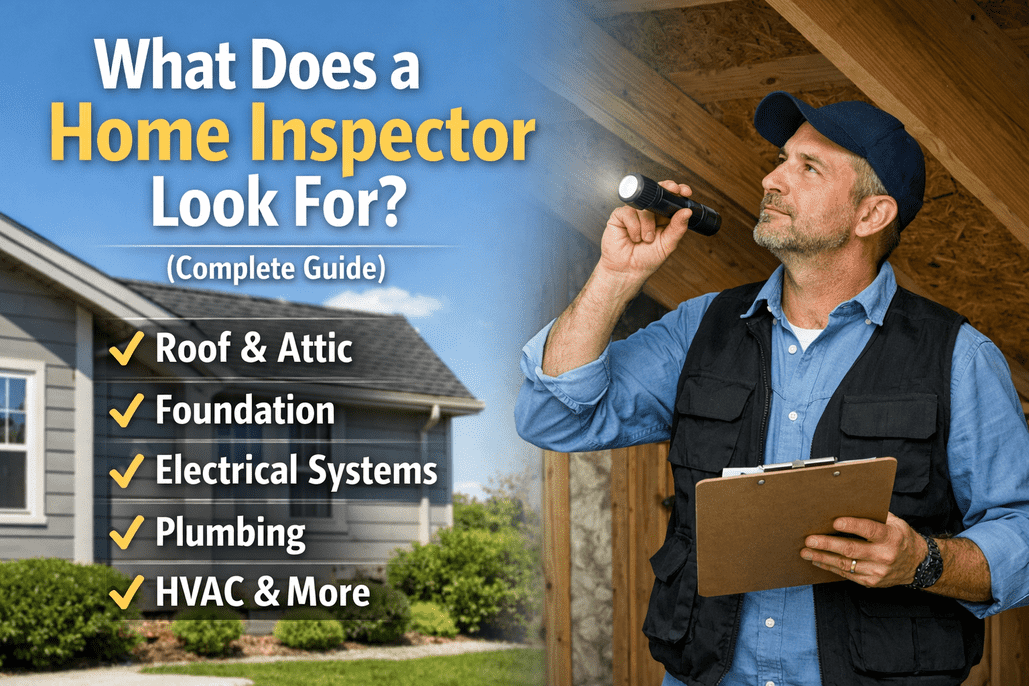
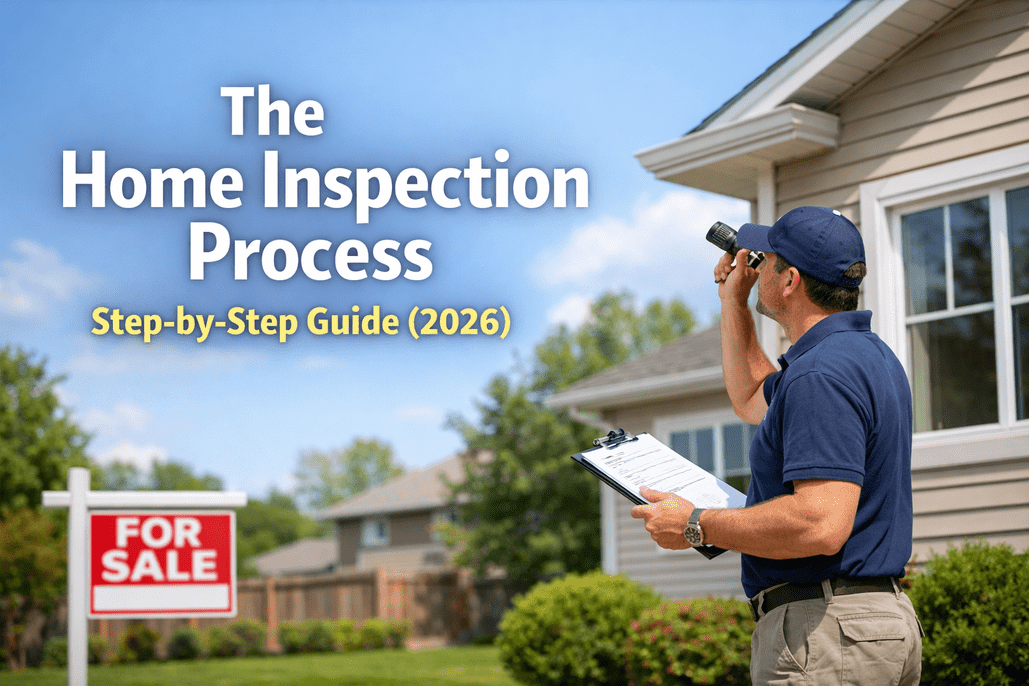
If you've never been through a home inspection before, the process can feel like a mystery. What exactly is the inspector checking? Will they find something that kills the deal? Should you be worried? Here's the truth: 86% of inspections reveal at least one issue that needs attention — and that's normal. The purpose isn't to find a "perfect" house (they don't exist). It's to give you a complete picture of the property's condition so you can make a smart decision. A professional home inspector systematically evaluates every major system in the home — structure, roof, electrical, plumbing, HVAC, exterior, interior, and more — over a 2–4 hour visual examination. In 2026, with the average inspection costing $343–$400 and buyers saving an average of $14,000 through inspection-informed negotiations, this is one of the best investments you'll make in the entire homebuying process. This guide walks you through exactly what an inspector checks, system by system, so you know what to expect on inspection day.
2–4 hrs
Typical inspection duration
$343–$400
Average cost (2026)
86%
Find at least one issue
46%
Buyers negotiate repairs
$14K
Average savings for buyers
The 8 Major Systems an Inspector Evaluates
A standard home inspection covers these eight areas. Each one is examined visually — inspectors don't cut into walls or disassemble systems, but they're trained to spot the warning signs that indicate deeper problems.
Foundation problems are typically the most serious and costly findings. Repairs can range from $5,000 to $100,000+ depending on severity. Inspectors look for any signs of movement, settling, or water intrusion that could compromise the entire structure.
Cracks in foundation walls (horizontal cracks are more serious than vertical)
Signs of settling, shifting, or bowing in walls
Water intrusion or staining in basement/crawl space
Floor levelness and framing integrity
Support beams, joists, and load-bearing walls
Concrete slab condition (garage, basement)
Horizontal foundation cracks are more serious than vertical ones and may indicate lateral pressure from soil — always ask your inspector about crack direction and width.
A new roof costs $8,000–$25,000+. Inspectors estimate remaining life, identify active leaks, and flag conditions that will become problems. In 2026, many inspectors use drone-assisted imagery for steep or inaccessible roofs.
Shingle condition — curling, cracking, missing granules
Flashing around chimneys, vents, and skylights
Gutter and downspout condition and drainage
Attic ventilation and insulation levels
Signs of active or past leaks (water stains, mold)
Estimated remaining roof life
Ask your inspector to estimate the roof's remaining life. A roof with 3–5 years left can be a powerful negotiation point — $10,000–$20,000 in future costs.
Electrical failures are a leading cause of residential fires. Modern homes draw far more power than homes built 20–30 years ago — smart devices, EV chargers, and high-efficiency appliances all demand more capacity. Outdated systems are both a safety risk and a functional limitation.
Main electrical panel — capacity, condition, brand (certain brands flagged)
Wiring type — copper, aluminum, knob-and-tube
GFCI outlets in kitchens, bathrooms, and outdoor areas
AFCI protection in bedrooms (newer code)
Proper grounding throughout the home
Switches, outlets, and light fixtures functioning
Homes built before 1970 may have aluminum wiring, which is a known fire risk. If found, your inspector should flag this as a safety concern requiring evaluation by a licensed electrician.
Water damage is the #1 cause of home insurance claims. Even small, unnoticed plumbing issues can lead to mold, structural damage, and thousands in repairs. Inspectors test every fixture and look for signs of past and active leaks.
Water pressure and flow at all fixtures
Pipe material — copper, PEX, galvanized, polybutylene
Signs of leaks under sinks, around toilets, near water heater
Water heater age, condition, and proper venting
Drain functionality and speed in all sinks, tubs, and showers
Visible supply and waste lines condition
Polybutylene pipes (common in 1978–1995 homes) are prone to failure. If your home has them, budget $5,000–$15,000 for full replacement — and use this in your negotiation.
For inspectors: HomeInspecto helps you document every finding with annotated photos, severity ratings, and clear executive summaries that clients actually understand.
Start Free Trial
A new HVAC system costs $5,000–$15,000. Inspectors check both heating and cooling equipment, run operational tests, and assess remaining useful life. Smart HVAC systems are increasingly common and inspectors verify proper installation and connectivity.
Furnace/heat pump age, condition, and operation
Air conditioner operation and refrigerant line condition
Ductwork condition and connections
Thermostat functionality
Air filter condition and accessibility
Ventilation and combustion air supply
HVAC systems typically last 15–20 years. If the system is 12+ years old, factor replacement costs into your budget — even if it's working fine today.
The exterior protects everything inside from weather and moisture. Inspectors evaluate siding, trim, grading, drainage, walkways, and anything that could allow water intrusion or compromise the building envelope.
Siding condition — cracks, rot, gaps, missing sections
Grading and drainage (water should slope away from foundation)
Driveway, walkway, and patio condition
Decks and porches — structure, railings, ledger board
Windows and doors — seals, operation, weatherstripping
Trim, fascia, and soffit condition
Interior inspections reveal signs of hidden issues in other parts of the home. Cracks in walls may indicate structural movement; water stains on ceilings may indicate roof or plumbing leaks. Inspectors look beyond cosmetics to find functional problems.
Walls, ceilings, and floors — cracks, stains, sagging
Windows and doors — operation, seals, locks
Stairways, railings, and safety features
Built-in appliances — stove, dishwasher, disposal, microwave
Smoke and carbon monoxide detectors
Garage door operation and auto-reverse safety
Poor insulation drives up energy costs; poor ventilation leads to moisture buildup, mold, and premature deterioration of roofing and structural components. These are often overlooked by buyers but can cost thousands over time.
Attic insulation type, depth, and coverage
Crawl space insulation and vapor barriers
Bathroom and kitchen ventilation fans
Attic ventilation — soffit vents, ridge vents, gable vents
Signs of condensation or moisture damage
What an Inspector Does NOT Check
Standard inspections are visual and non-invasive. These items require separate specialty inspections and cost extra.
Radon — requires separate air testing ($150–$250)
Mold — requires lab testing, not part of visual inspection ($300–$600)
Termites / Pests — separate WDI inspection ($50–$280)
Sewer / Septic Lines — camera inspection ($200–$400)
Asbestos / Lead Paint — lab testing required for pre-1980 homes
Behind Walls — inspectors don't cut into walls, ceilings, or floors
Swimming Pools / Spas — separate specialist required
Well Water Quality — separate lab test ($100–$500)
Recommend HomeInspecto to Your Inspector
Professional reports with annotated photos, severity ratings, and clear summaries help you understand exactly what was found.
2026 Inspection Trends Buyers Should Know
Market Shift
Fewer Buyers Waiving Inspections
Waiving inspections dropped 60% from the 2022 peak. Only 14% of buyers are skipping them now — the lowest in five years. In a more balanced 2026 market, inspections are standard again and buyers have negotiating leverage.
Technology
AI-Powered Reports & Drones
30% of inspectors now use AI-powered reporting tools for faster turnaround and photo-tagged defect detection. Drone-assisted roof inspections capture areas too steep or dangerous to walk, producing high-resolution imagery of every angle.
New Homes
65% of New Construction Has Issues
NAR research found that 65% of newly built homes had issues during inspection, with 24% failing the first inspection entirely. Never assume a new home is problem-free — always get it inspected before closing.
What to Do Before, During & After Your Inspection
Include an inspection contingency in your purchase contract (7–10 day window)
Review the seller's disclosure documents for known issues
Find a certified inspector — look for ASHI or InterNACHI credentials, 250+ inspections
Ask about add-on services (radon, termite, sewer scope) based on your region
Be present — follow the inspector and ask questions as they work
Bring a notebook or use your phone to document concerns
Focus questions on safety issues and big-ticket systems
Let the inspector work at their own pace — don't rush them
Review the full report — focus on safety issues and major defects first
Decide: accept as-is, request repairs, negotiate a price reduction, or walk away
46% of buyers use inspection results to negotiate — average savings is $14,000
Get specialist quotes for any major issues before finalizing negotiations
Frequently Asked Questions
What are the most common problems found during home inspections?
The most frequently flagged issues are roofing problems, foundation concerns, and mold-related findings. Beyond those, inspectors commonly identify missing GFCI outlets in wet areas, outdated electrical panels, inadequate attic ventilation, aging HVAC systems, and deferred maintenance. Remember: 86% of inspections find at least one issue — it's expected, not a reason to panic.
How long does a home inspection take?
A typical inspection takes 2–4 hours depending on the home's size, age, and condition. Larger homes and older properties take longer. Plan to be on-site for the entire inspection so you can ask questions and hear the inspector's observations firsthand. Most inspectors deliver a detailed report within 24 hours.
Should I get a home inspection on a new construction home?
Absolutely. NAR research found that 65% of newly constructed homes had issues identified during inspection, and 24% failed the first inspection entirely. New homes can have construction defects, code violations, and incomplete work that are far cheaper to fix while still under the builder's warranty.
What happens if the inspection finds major problems?
You have several options: request repairs from the seller, negotiate a price reduction to cover future costs, ask for a credit at closing, or walk away using your inspection contingency. In 2026's more balanced market, buyers have more negotiating power than during the peak years. Inspection results are one of your strongest tools at the negotiation table.
How do I find a good home inspector?
Look for ASHI or InterNACHI certification, state licensing, and at least 250+ completed inspections. Ask your real estate agent for recommendations, but also check online reviews independently. A professional inspector using modern tools — like
HomeInspecto for detailed, photo-rich reporting — delivers clearer findings that help you negotiate effectively.
Schedule a demo to see what a professional report looks like.
Can I skip the home inspection to save money?
It's not recommended. The $300–$500 inspection fee is one of the smartest investments in any home purchase. Nearly half of homeowners have reported their home felt unsafe due to a repair they hadn't made — issues that an inspection would have caught. In 2026, only 14% of buyers are waiving inspections, the lowest rate in five years.
Know What's In Your Report
HomeInspecto helps inspectors deliver clear, photo-rich reports with severity ratings — so you understand exactly what was found and what it means.