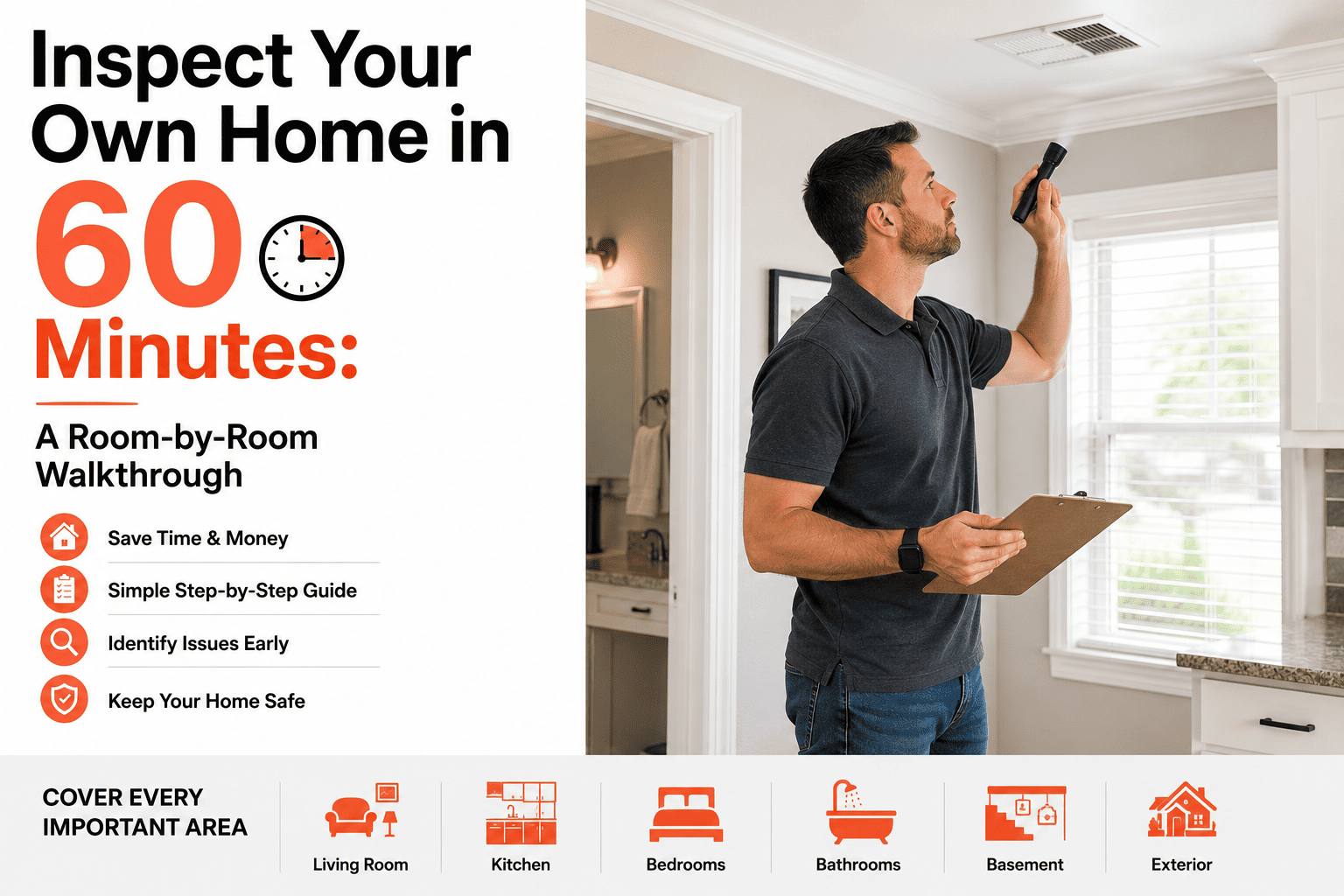

Inheriting a property comes with a decision attached, and most people try to make that decision before they actually know what they're deciding about. Sell, rent, or move in — each path depends on the same missing piece of information: what condition is this house actually in? A structured self-assessment gives you that answer without hiring anyone before you've even decided whether the property is worth keeping. Walk it room by room, document what you find, and let the condition data — not a guess — point you toward sell, rent, or renovate. If you want a guided tool to run that walkthrough, book a demo.
One Property. Three Paths. One Walkthrough to Decide.
A structured condition assessment tells you what the property needs before you commit to selling, renting, or renovating it.
1
walkthrough covers all three decisions
0
guessing about hidden condition issues
100%
of findings tied to photos and notes
Why Condition Comes Before the Decision
Selling an inherited property without knowing its condition means pricing blind and risking disclosure problems later. Renting it out without a condition record means no baseline for tenant damage disputes. Renovating without a full walkthrough means budgeting for the repairs you can see and getting surprised by the ones you can't. In every path, the same structured walkthrough is the thing that removes the guesswork.
The Room-by-Room Assessment
Run through the property systematically. Each section below is something to check, document with a photo, and note the condition of — this becomes your record regardless of which path you choose afterward.
Roof and exterior
Age and visible condition of the roof, siding, and gutters. Deferred exterior maintenance is often the biggest hidden cost in any of the three paths.
Foundation and structure
Cracks, settling, or moisture signs in the foundation and crawl space — structural issues affect sale price, rentability, and renovation budget equally.
Plumbing and water systems
Water pressure, visible leaks, water heater age, and any signs of past water damage in bathrooms and under sinks.
Electrical systems
Panel age and capacity, outlet condition, and any visible wiring concerns — especially relevant if the home hasn't been updated in decades.
HVAC condition
Age and functionality of heating and cooling systems — a major factor in both resale value and tenant-readiness.
Interior finishes
Flooring, paint, cabinetry, and fixtures throughout — cosmetic condition matters differently depending on whether you're selling, renting, or living there.
Appliances
Age and working condition of any appliances staying with the property, relevant to both a sale listing and a rental unit.
Safety systems
Smoke detectors, carbon monoxide detectors, and any visible code concerns that would need addressing before renting or selling.
What Each Path Actually Requires
The same condition data supports all three decisions, but each path puts weight on different findings. Jump to the one you're leaning toward.
If You're Leaning Toward Selling
Know the condition before you price it or disclose it. Buyers and their inspectors will find what you don't document yourself — surfacing issues upfront protects you from disclosure disputes and gives you a realistic asking price instead of a guess.
If You're Leaning Toward Renting
Confirm it's tenant-ready before you list it. A documented move-in condition record protects you in any future deposit or damage dispute, and the walkthrough flags anything — missing detectors, non-functional appliances — that needs fixing before a tenant moves in.
If You're Leaning Toward Renovating
Scope the real repair list before you budget. A full walkthrough surfaces the issues you can't see from a quick look — foundation, electrical, plumbing — so your renovation budget is based on the property's actual condition, not just what's visible.
Walk the property once, document everything, decide with real information. HomeInspecto turns your walkthrough into a condition report you can use to price, list, or budget the property with confidence.
Frequently Asked Questions
Do I need a professional inspection before selling an inherited property?
Not necessarily before you decide. A self-assessment gives you enough condition information to price the property realistically and decide whether selling is even the right path. A professional inspection typically comes later, once a buyer is under contract.
How does this help if I'm considering renting the property out?
A documented move-in condition record protects you in any future tenant dispute, and the walkthrough itself tells you what needs fixing before the property is rentable — missing smoke detectors, non-functional appliances, or safety issues that would need addressing regardless.
What if I'm not sure which of the three paths I want yet?
That's exactly the situation this is built for. The same walkthrough and report support all three decisions — you don't need to commit to a path before assessing the property's condition.
Can I keep this report for estate or tax purposes?
Yes. A dated, photo-backed condition report can be useful documentation for estate settlement purposes alongside its use in deciding your next step. Book a demo or start a free trial.
Know the Property Before You Decide Its Fate
Run one structured walkthrough and let the condition guide whether you sell, rent, or renovate.